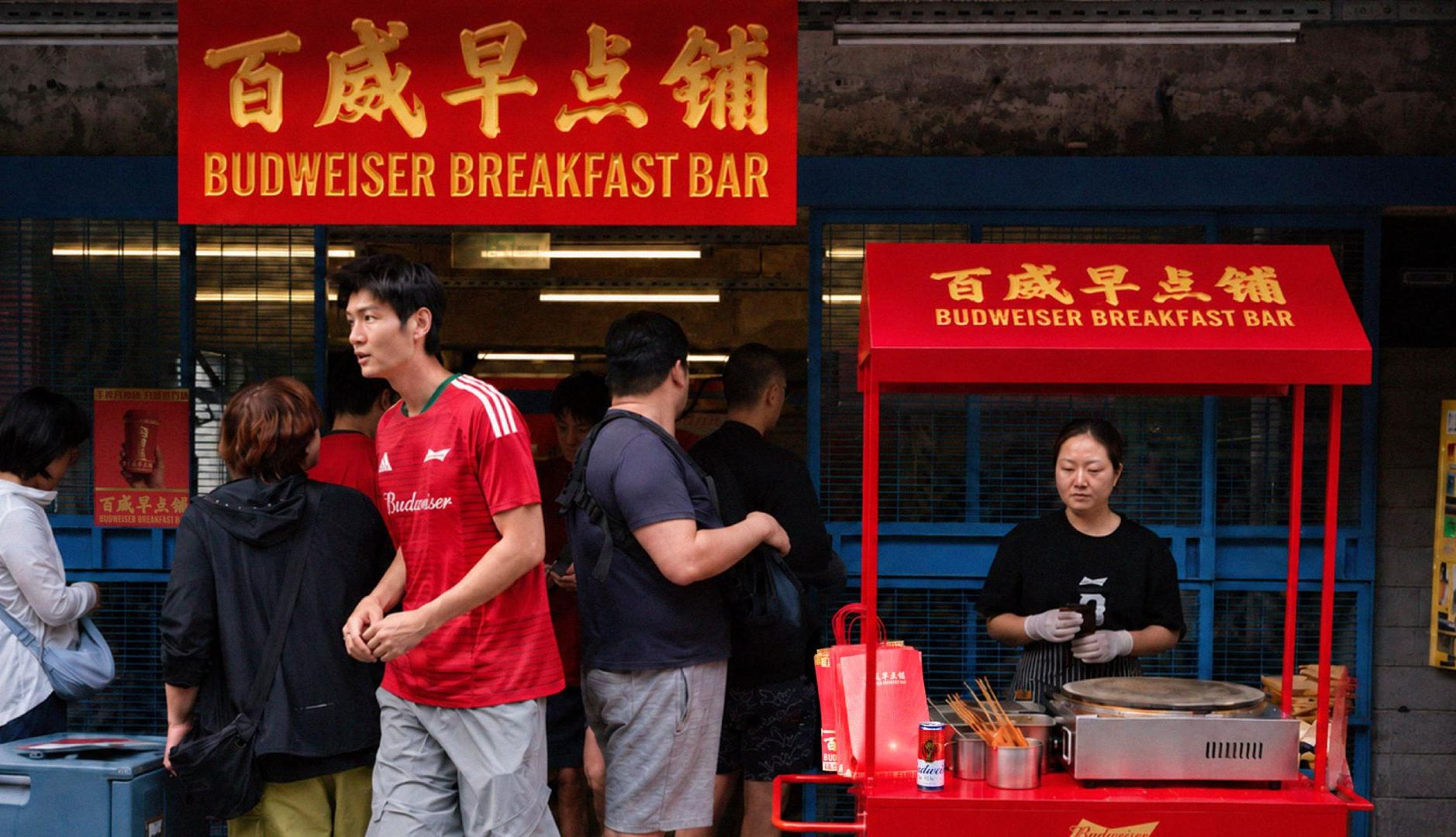
The time difference to watch and enjoy this year’s World Cup has been an element that has tested the marketing and communication strategies of the brands that have wanted to be linked to the event. The action carried out by Budweiser in China is an example of this, and the beer brand has changed its usual time of consumption to breakfast.
Together with the creative agency Fred & Farid Shanghai, with which it has previously worked in the Asian market, it has opened the country’s bars during breakfast so that football fans can watch the tournament matches accompanied by friends and other followers.
The action has connected consumer socialization with opportunities for bars
“Budweiser Breakfast Bar” has proposed a new formula to promote consumer socialization by connecting it with business opportunities for the restaurant sector. So, instead of letting the Chinese be forced to watch the games alone on their phones first thing in the morning, it has created spaces for meeting and gathering.
To do this, it has partnered with more than 11,000 establishments, many of them in Shanghai, such as Lee Garden, Spoke or Parlay. These have been transformed into “Budwesier Breakfast bar” to transfer the classic nighttime experience of football bars to the morning. In them he has accompanied the live broadcasts of the matches with breakfast pairings featuring Budweiser Zero, his non-alcoholic beer.
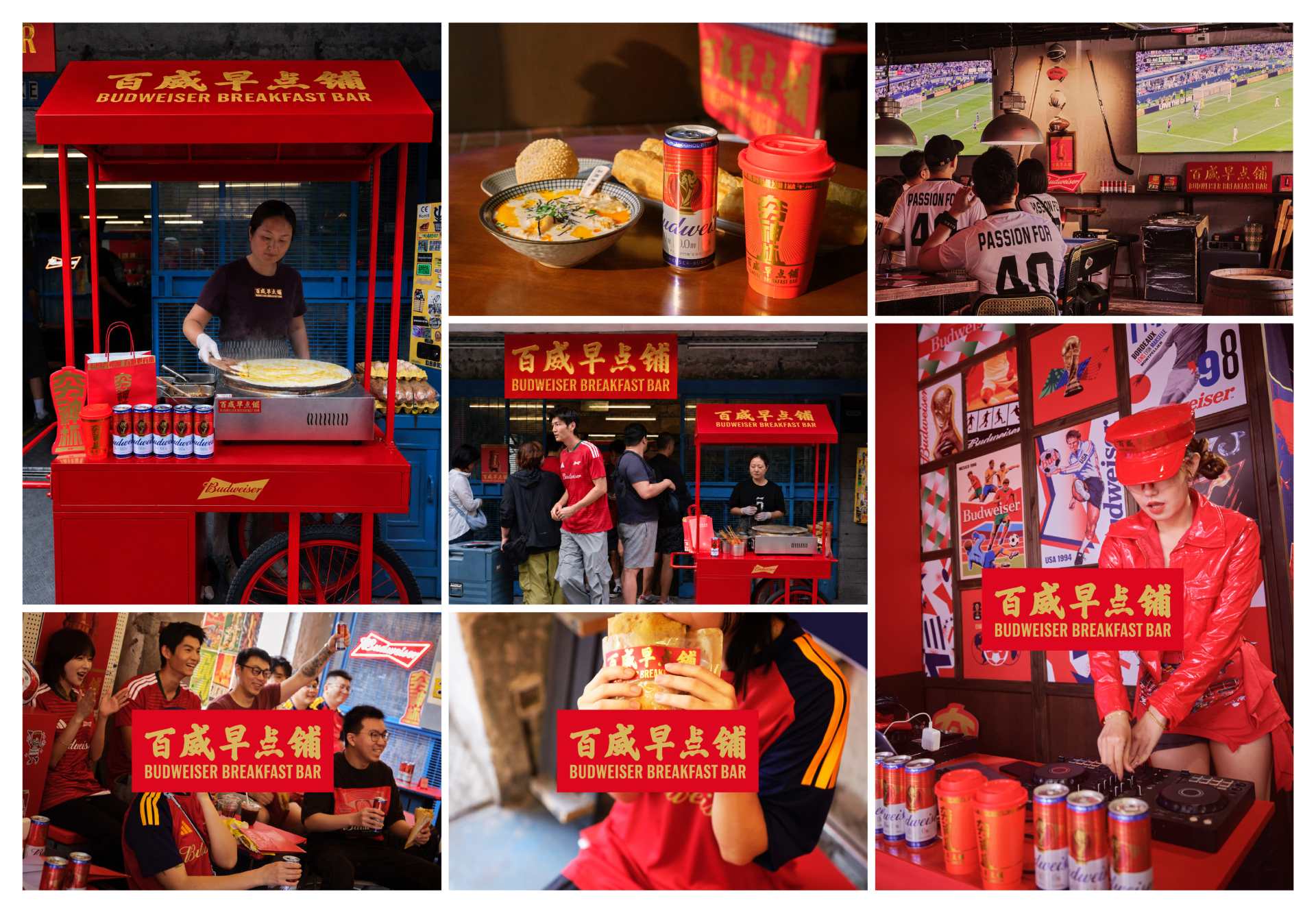
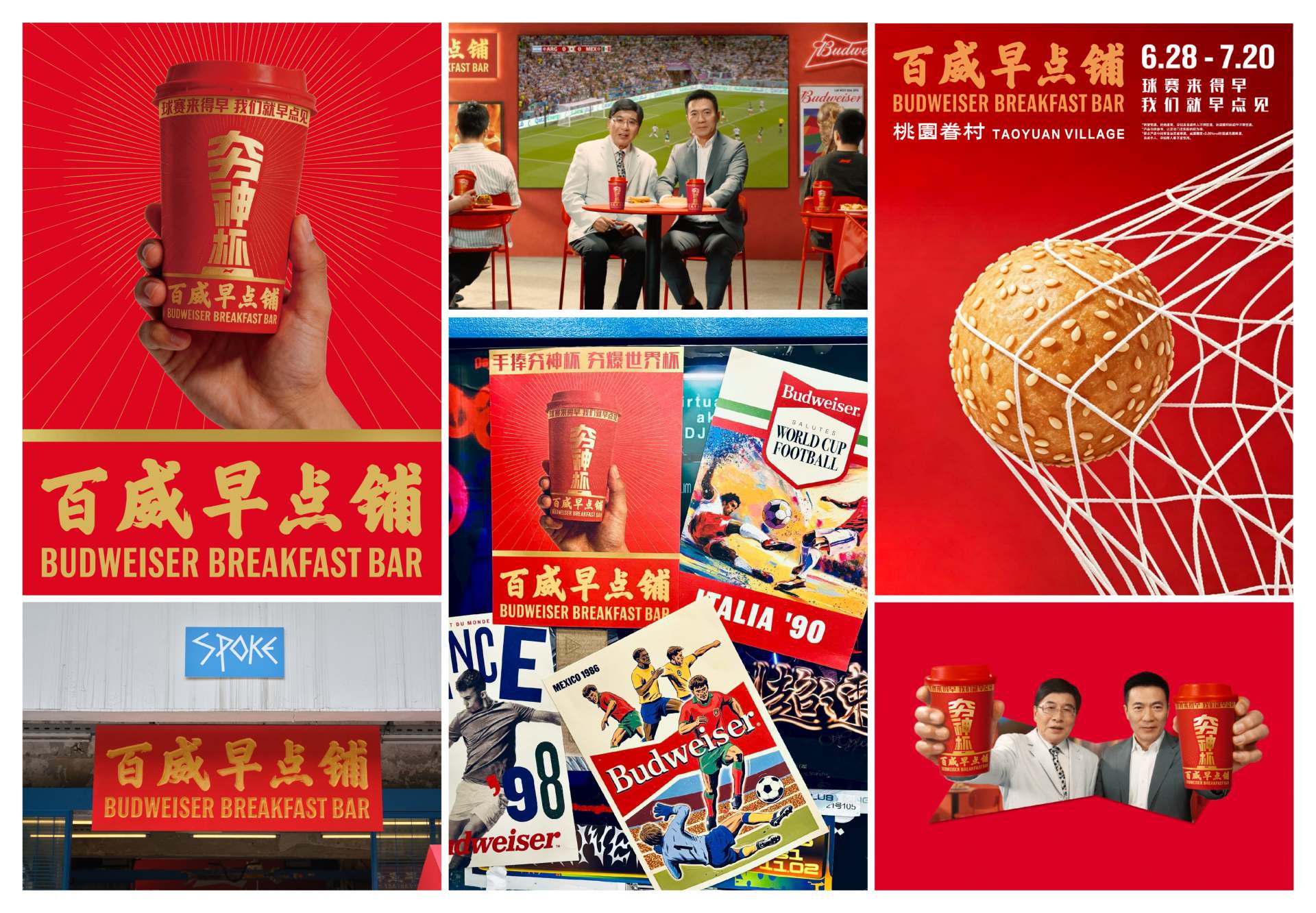
The gastronomic proposal has included combinations between the brand’s product and traditional breakfasts, both national and international. Thus, consumers who have gone to these bars have been able to enjoy the Budweiser drink along with croissants, jianbing -similar to crepes- or baos and coffees. With this, the football beer ritual has tried to find a place in the morning routine of Chinese consumers.
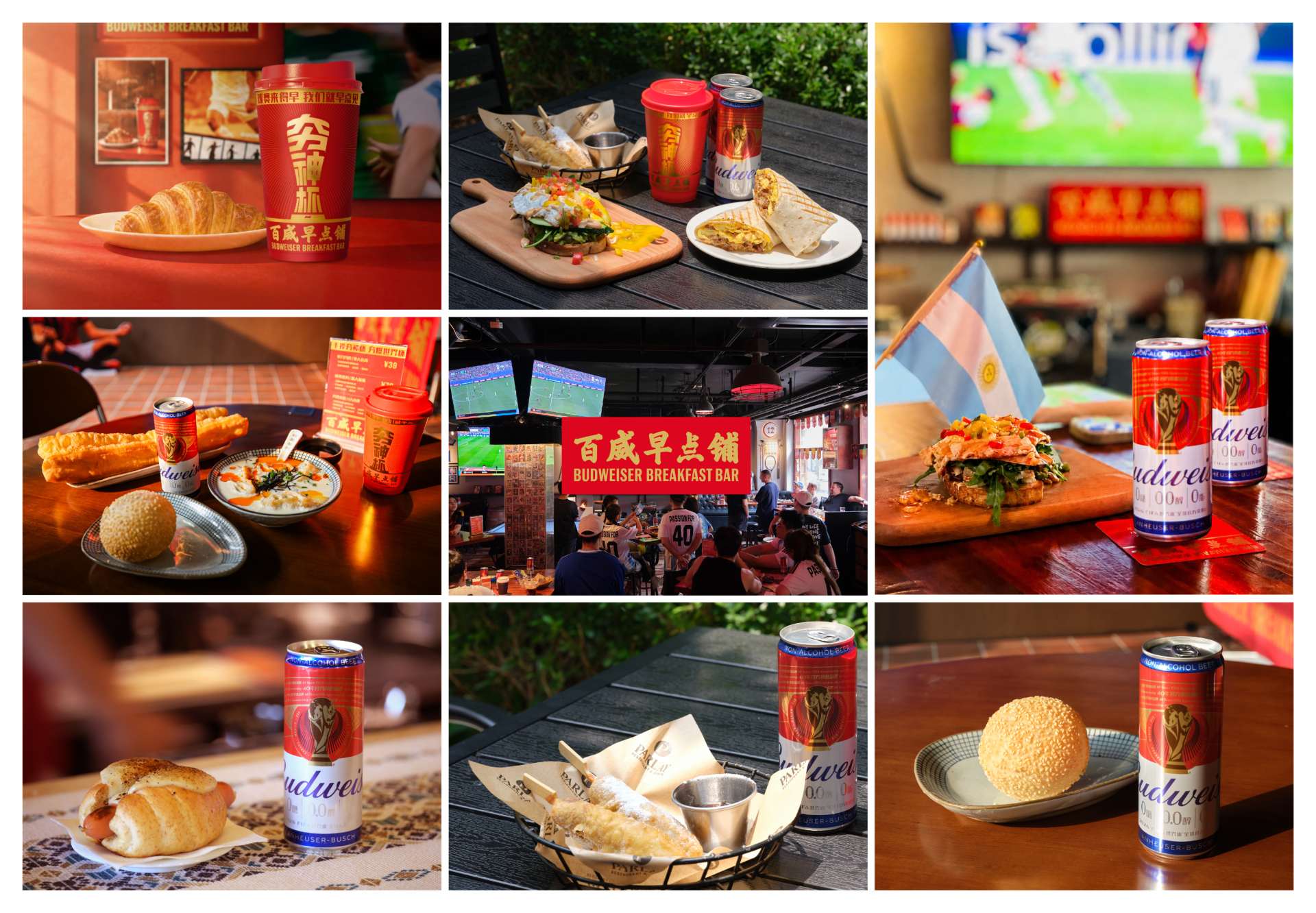
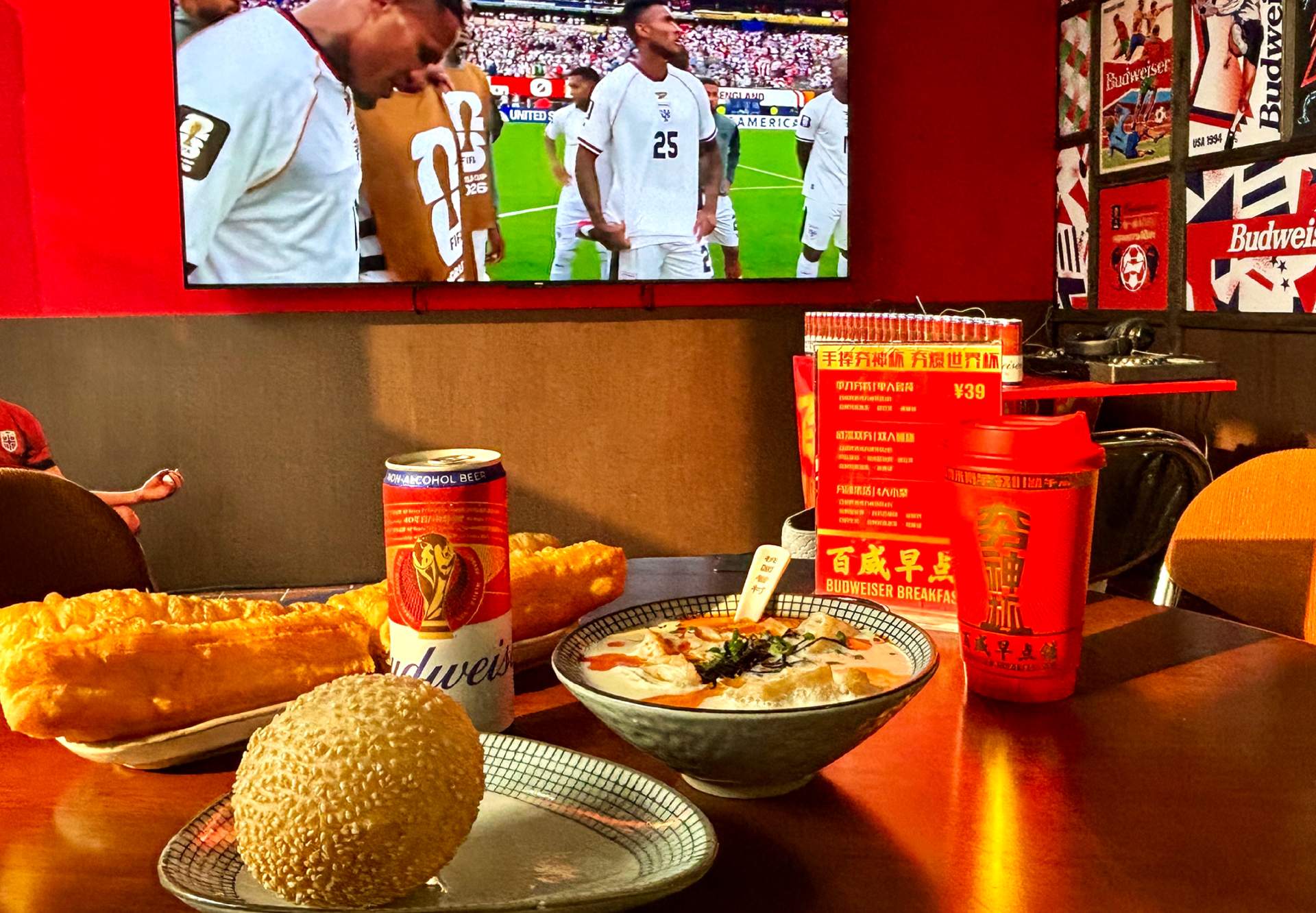
In this way, Budweiser has given consumers a way to share the World Cup experience with friends and other fans before work, while also finding a way to stay relevant in the country during a key cultural and social moment in terms of relevance.
Likewise, it has reinforced its commitment to the sector by providing bars with a window to connect with consumers and boost business in a context that, due to the location of the competition, was considered unfavorable. In addition, it has also opened a new space for the consumption of non-alcoholic beer, a variety that in the Chinese market has not yet achieved the same popularity as traditional beer.