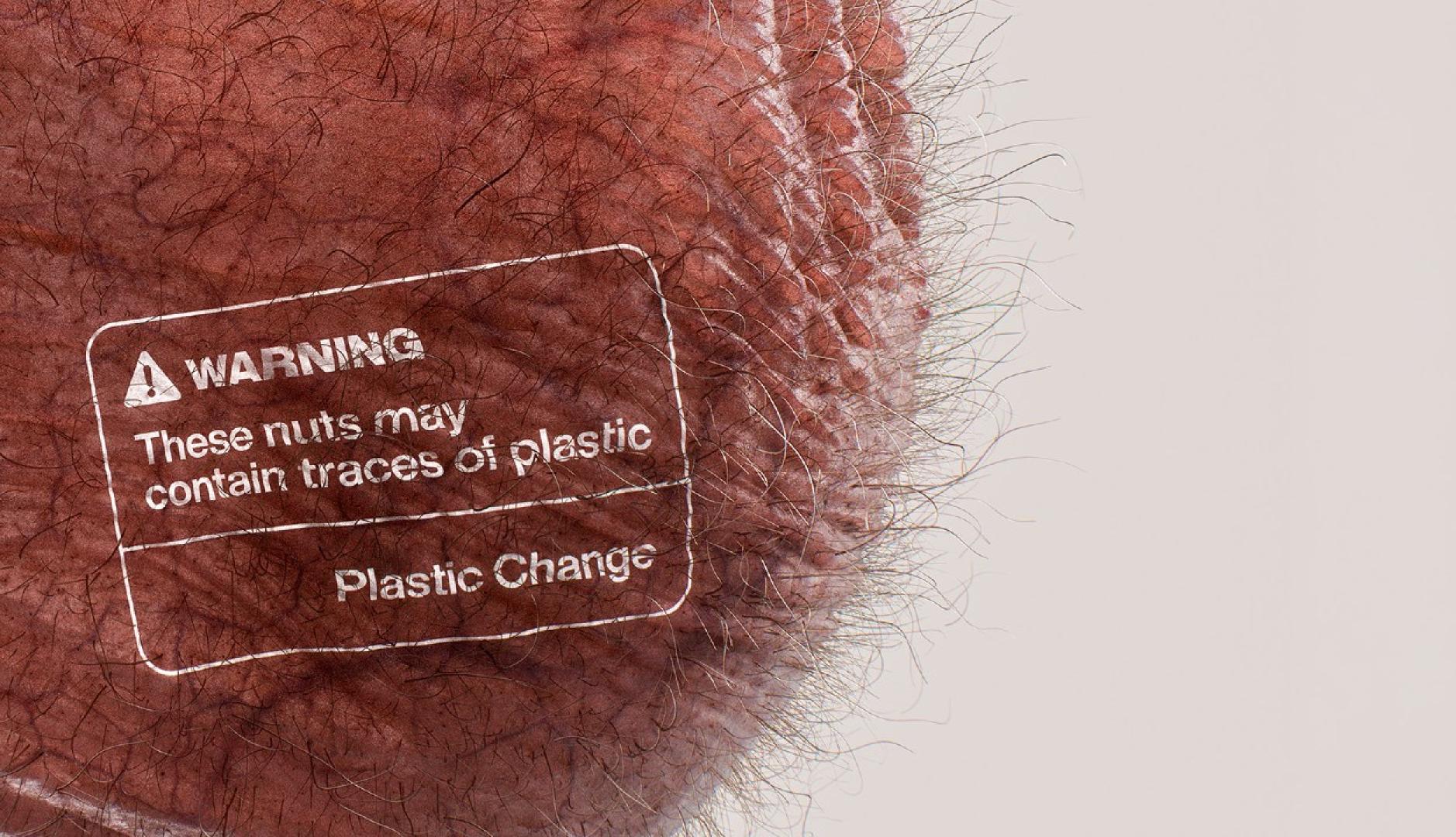
The warning “may contain traces of nuts” It is one of the most recognizable advertisements on food labeling. For those who suffer from severe allergies, it can make the difference between consuming a product or not. The Danish NGO Plastic Change has started from this code to launch a campaign that transfers it to the male body and warns about an increasingly worrying presence: microplastics.
The organization has presented the campaign “These Nuts May Contain Traces of Plastic”, coinciding with Father’s Day and World Environment Day, which this year are celebrated on the same date in Denmark. The action seeks to connect plastic pollution with male reproductive health and with the fertility of future generations, moving an apparently distant environmental problem to an intimate bodily territory.
The campaign has been created by independent agency Worth Your While and will roll out across outdoor advertising, social media, PR and earned media this June. Its visual approach uses hyperrealistic images of testicular skin presented as if they were supermarket packaging. The pieces include labels inspired by nutritional information, but instead of food ingredients they list microplastics and possible associated effects, such as hormonal alterations, infertility or reduced sperm count.
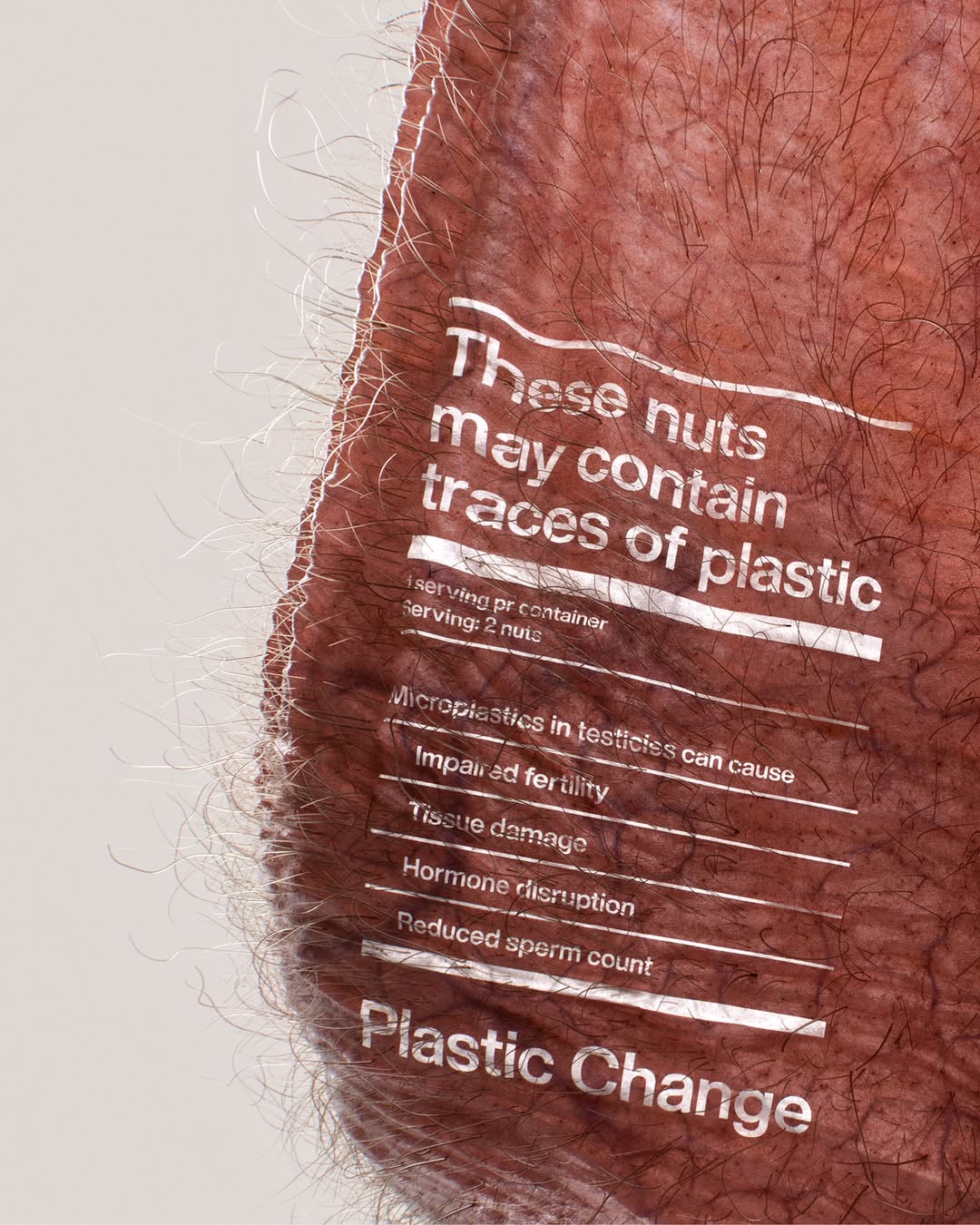
The campaign uses the double meaning of the term “nuts”, which in English can refer to both nuts and testicles, to launch its warning in a provocative way. The objective is to provoke an immediate reaction to scientific evidence that, according to Plastic Change, does not yet have enough presence in the public conversation.
The campaign uses the double meaning of “nuts”, which in English can refer to both nuts and testicles.
The organization points out that microplastics have already been detected in semen, testicles and penile tissue, and points to preliminary research that associates their presence in testicular tissue with a lower sperm count. It also warns about its possible relationship with the alteration of testosterone and the hormones that intervene in the male reproductive system. The NGO links this concern to the global decline in sperm count over recent decades, a phenomenon in which environmental factors, including exposure to plastics, are the subject of increasing research.
“We are alone in the face of microplastics present in our bodies. We know that tiny plastic particles are invading our body but no one protects us from the health consequences. Plastic is not regulated by law. It is a shame”said Henrik Beha Pedersen, Founder of Plastic Change and environmental biologist.
Pedersen has also criticized the European Union’s decision not to move forward with the planned review of the REACH chemical regulation in the terms expected by the organization, including the obligation to register plastic polymers. “Industry pressure has a direct and unacceptable effect: human beings are not protected against microplastics in their bodies. We need a change in plastics. Otherwise, we are walking towards an unknown future”he added.
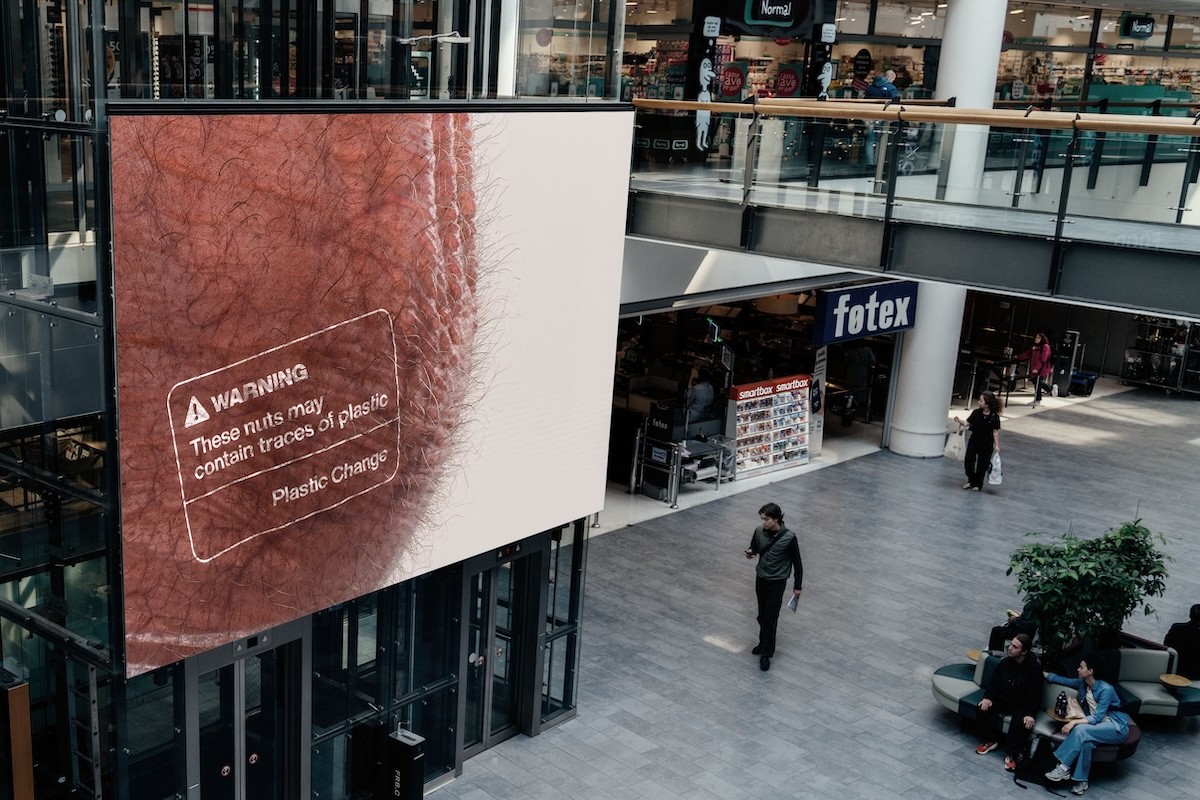
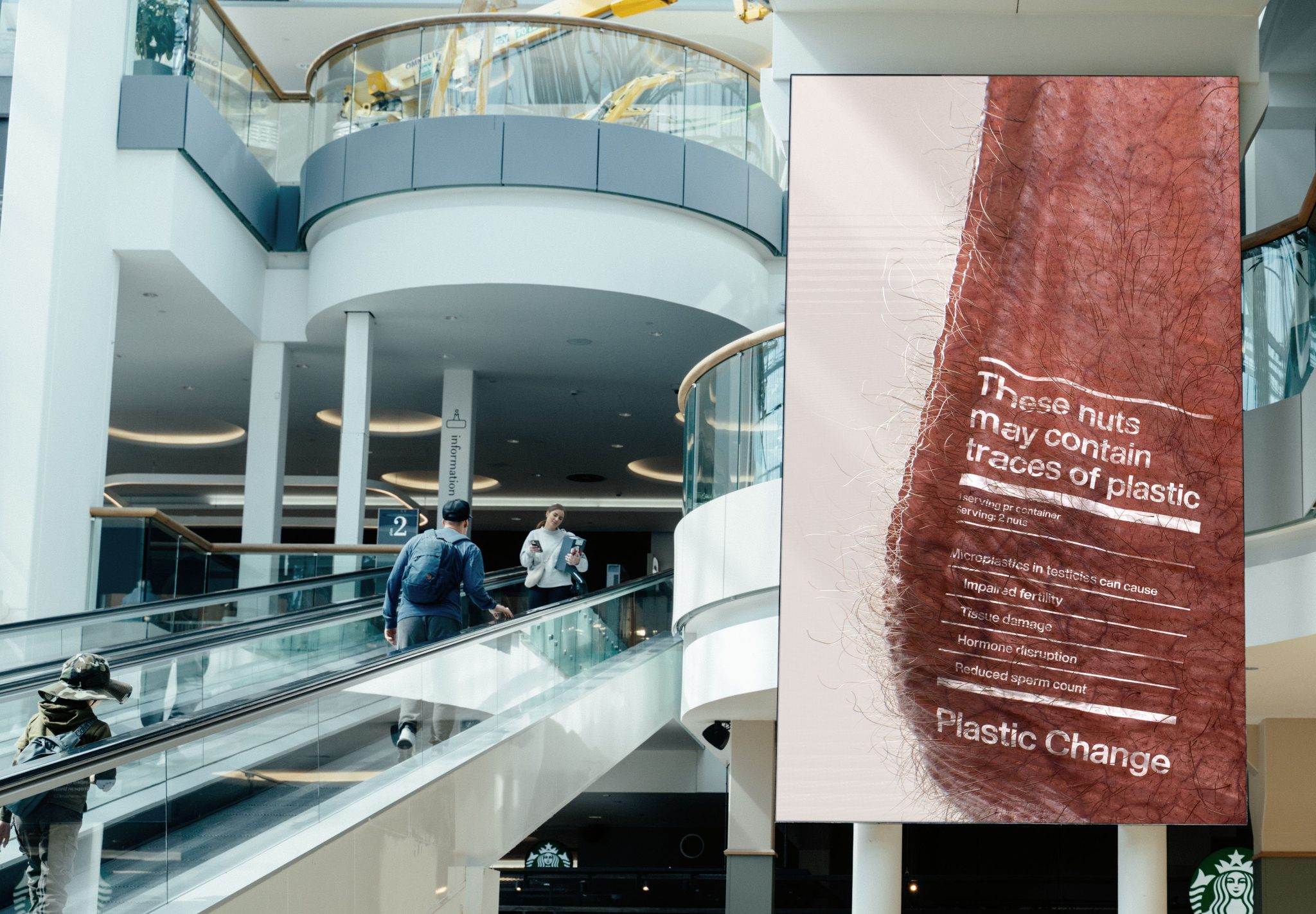
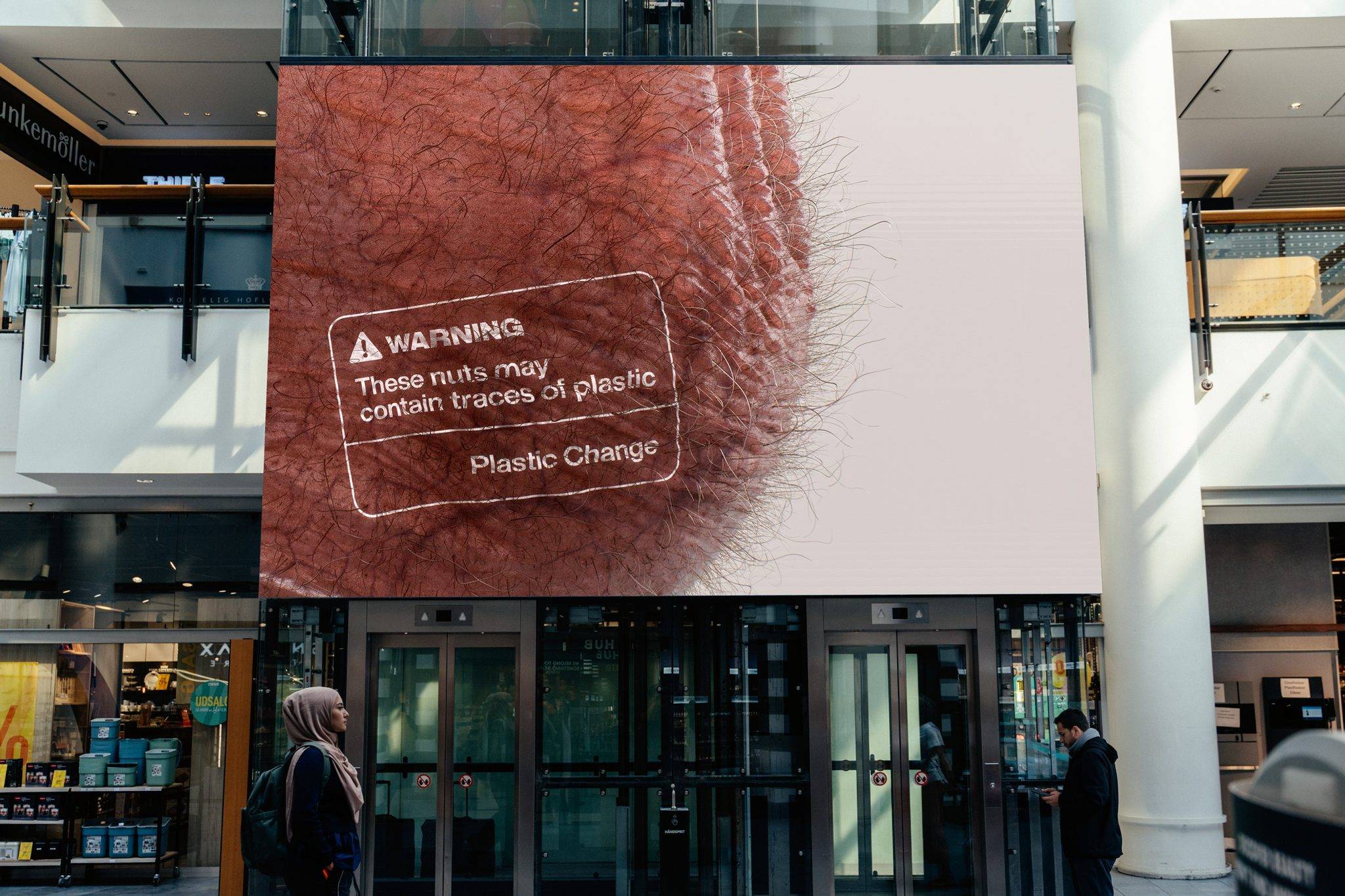
Plastic Change wanted to use a date linked to fatherhood, such as Father’s Day, to remember that environmental pollution not only affects ecosystems, oceans or marine fauna: it also impacts human health and reproductive capacity. The campaign is especially aimed at men, an audience that, according to the organization, does not always feel addressed by traditional environmental communication.
“Environmental campaigns often struggle because the consequences seem distant, abstract, or someone else’s own. We wanted to find a way to make the problem impossible to ignore by connecting it to something deeply personal”explained Tim Pashen, Creative Director and Partner at Worth Your While. “If microplastics are appearing in places as intimate as testicular tissue, then plastic pollution is no longer just an environmental problem, it is a human problem.”
The campaign continues the work that Plastic Change has been developing for years against daily exposure to microplastics.
The NGO has also published a series of recommendations to reduce daily exposure to these particles. These include drinking tap water instead of bottled water, using steel bottles, avoiding plastic bottles when heating liquids, checking the composition of cosmetics and personal care products, avoiding tea bags with plastic, not putting hot food in plastic containers, replacing melamine utensils with steel or wood, choosing clothing without synthetic fibers and ventilating indoor spaces well to reduce exposure to household dust, where micro- and nanoplastics can also accumulate.