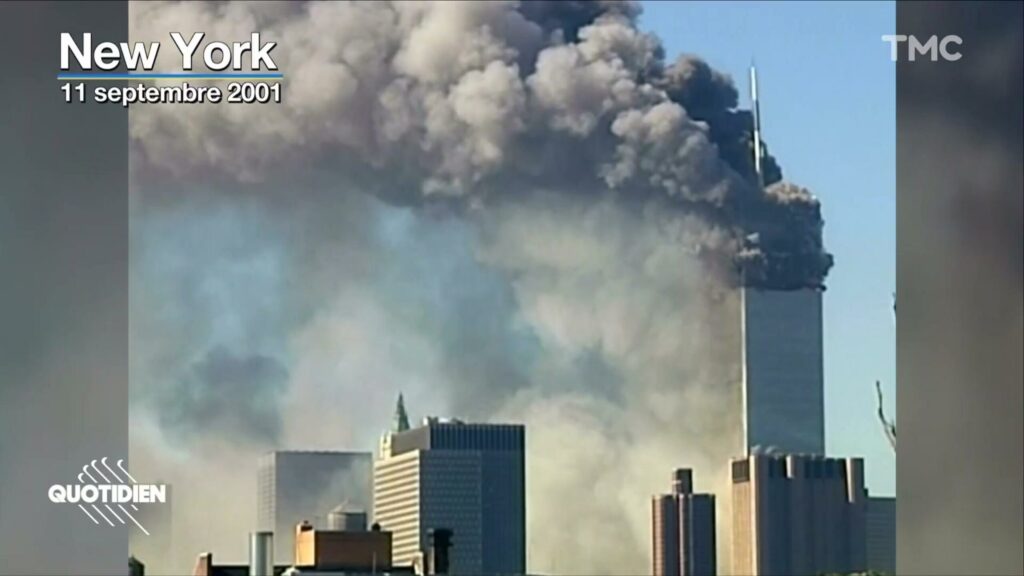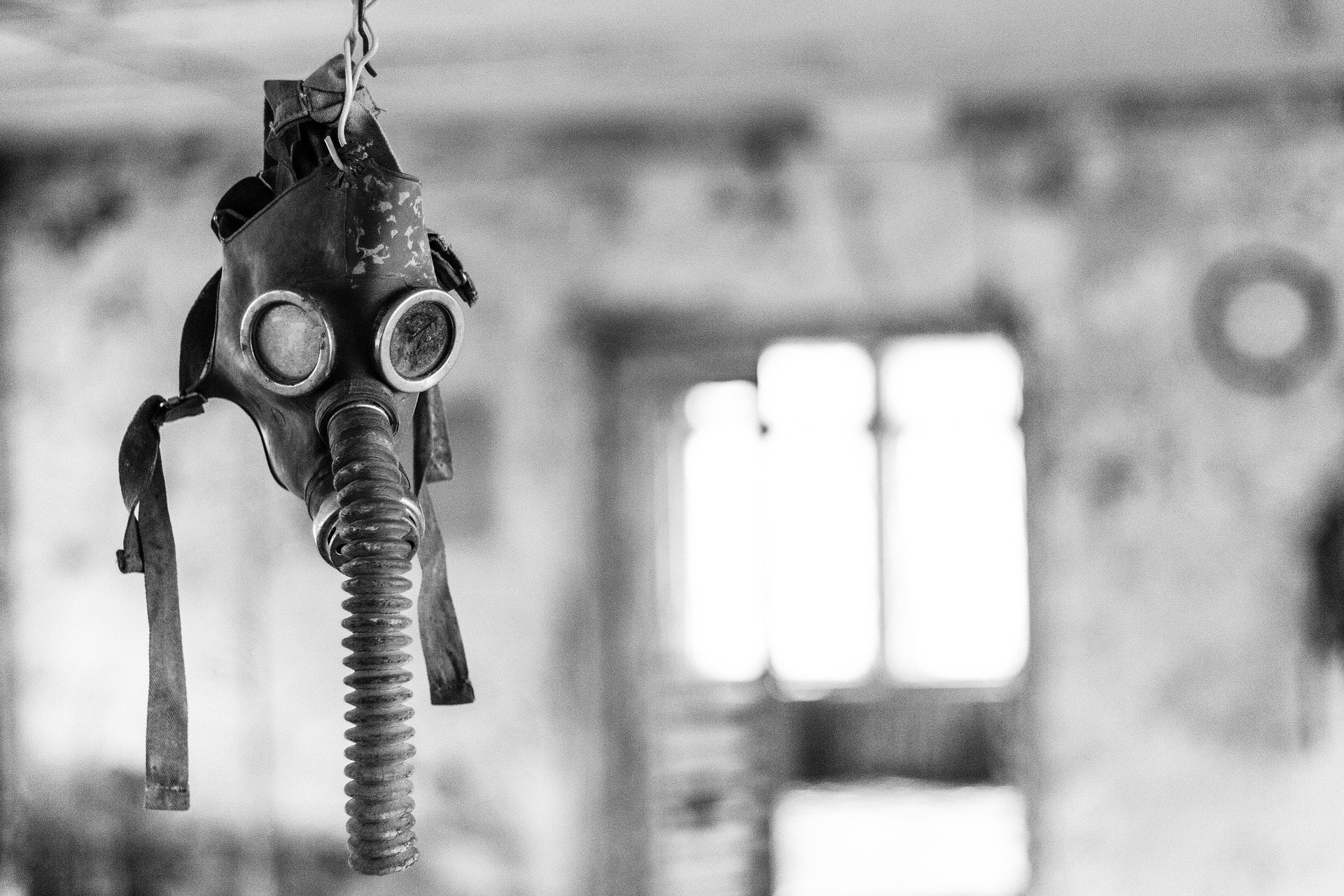
It was on the night of April 25 to 26, 1986 that reactor number 4 of the Chernobyl nuclear power plant exploded. It is 1:23 a.m. and the USSR needed 4 days to inform the rest of the world of the explosion.
40 years after the Chernobyl disaster, it is still very difficult to establish the exact number of victims. Officially, there are 47 deaths. While in reality, it would be between 4,000 and 200,000 victims. We must count the technicians, the emergency services, the men deployed to decontaminate the plant. But also, all those who subsequently developed illnesses due to radiation.
But what is the cause of this catastrophe?
As with many accidents, there is no single explanation. It was several factors combined that led to the disaster. In Chernobyl, the accident occurred when engineers wanted to conduct a test. In fact, this consisted of proving that the installation was perfectly safe in the event of a power outage. But unfortunately, the engineers in charge of control were unable to control the reactor at that time. In particular, they removed several security features under the orders of their superior and without analyzing the possible risks.
The path of the explosion
A few seconds before the explosion of reactor No. 4, the temperature inside its core reached 4,650 °C. To compare this data, the surface of the Sun is 5,500°C. The power of the explosion blew off the roof of the 20-story building. In addition, it also destroyed the interior of the core by propelling 28 tons of radioactive debris around the plant. Additionally, the explosion also started a radioactive fire that burned for almost two weeks. Huge clouds of radioactive gases and aerosols dispersed into the atmosphere. They then flew north and west with the wind. Several dozen radioactive substances then fell to earth, often because of the rain.
The Chernobyl Exclusion Zone
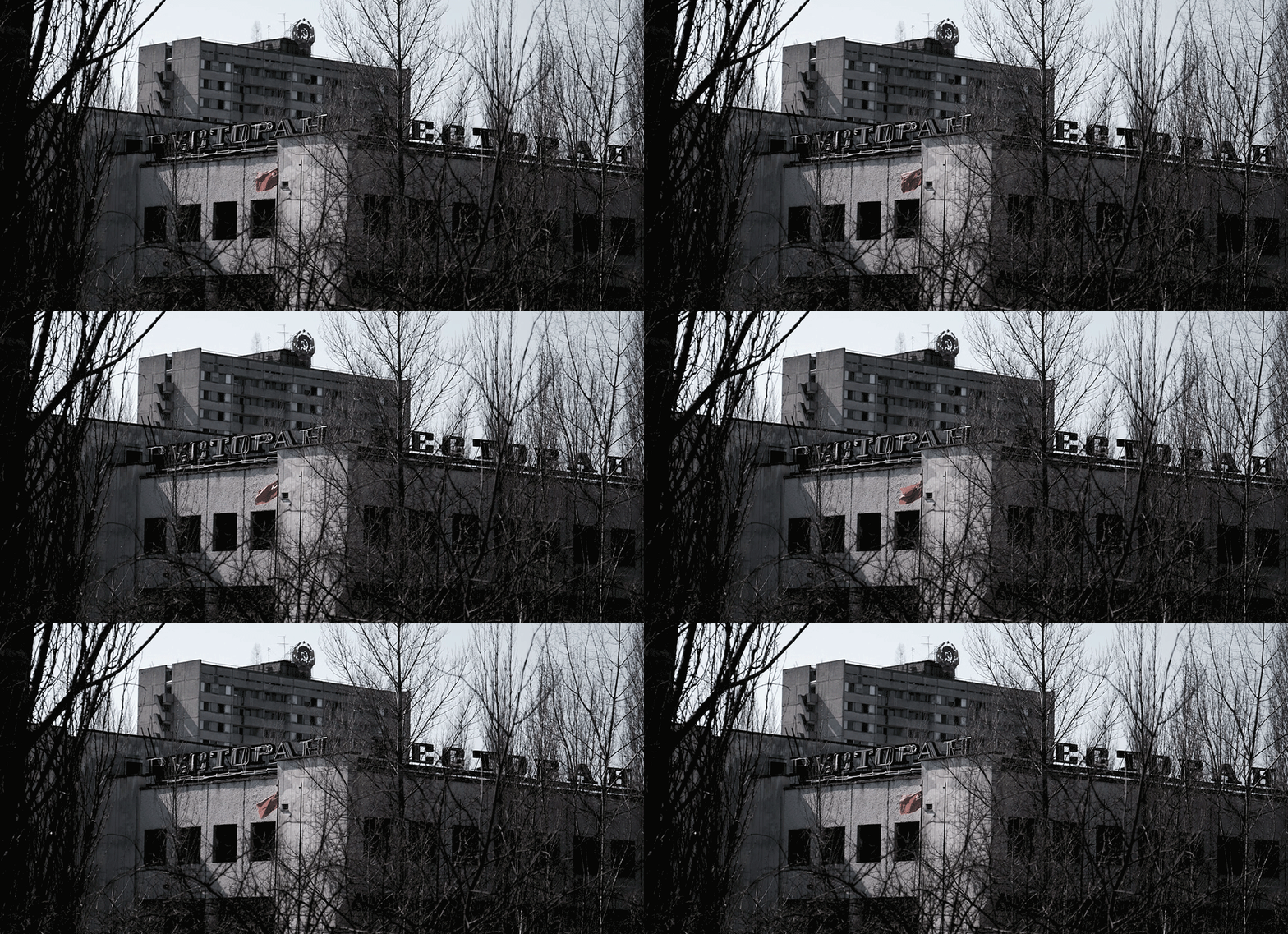
Following the disaster, the Soviet army created a 30-kilometer exclusion zone around the plant. It covers the part most contaminated by radiation, including the town of Prypiat, located 3 kilometers from the plant. Since then, it has become a ghost town after evacuating its 50,000 inhabitants.
However, after this evacuation, many people were ordered to return to the area. In fact, they were obliged to work on decontamination. Others have been called out in the name of science. In addition, some people decided to return to the area on their own to move back into their villages as quickly as possible.
The dismantling of the Chernobyl exclusion zone will take decades, if not centuries.
Commemoration and duty to remember
Every year, many residents, workers and visitors gather to commemorate the event. The crowd lights beeswax candles which they let flow into the palms of their hands. Then, they listen to songs and poems performed by the survivors.
On December 8, 2016, the UN General Assembly decided to proclaim April 26: International Day of Remembrance of the Chernobyl Disaster. With the aim of raising awareness of the long-term consequences of this event.
However, the Ukrainian authorities want to go further than these commemorations. In fact, they want to include Chernobyl as a UNESCO world heritage site.
Chernobyl, the mini-series inspired by real events
Produced by Craig Mazin, the miniseries traces the story of the disaster as well as the unprecedented cleanup efforts that followed.
Filming for the series took place in Vilnius in Lithuania, 450 km from the city of Chernobyl, in the former Ignalina power station. Furthermore, the director was inspired by the book The Supplication – Chernobyl, chronicle of the world after the apocalypse. It was written by Belarusian journalist and writer Svetlana Alexievich. In addition, Chernobyl has won several Golden Globes and Emmy Awards.

The Russian media almost unanimously appreciated the realism of the series. Some praised “ great respect for ordinary people ” Who ” saved Europe at the cost of their lives and health, but are not honored today in Russia “. On the other hand, media close to power denounce a series “ caricature », motivated by anti-Russian propaganda.
The Russian channel NTV announced its own project on the same subject in 2019. In order to present “ an alternative version » of the tragedy. If the idea is now, it should stage the theory according to which a CIA agent was present in the plant at the time of the tragedy.
The five-episode Chernobyl miniseries will be broadcast from May 27 on M6.