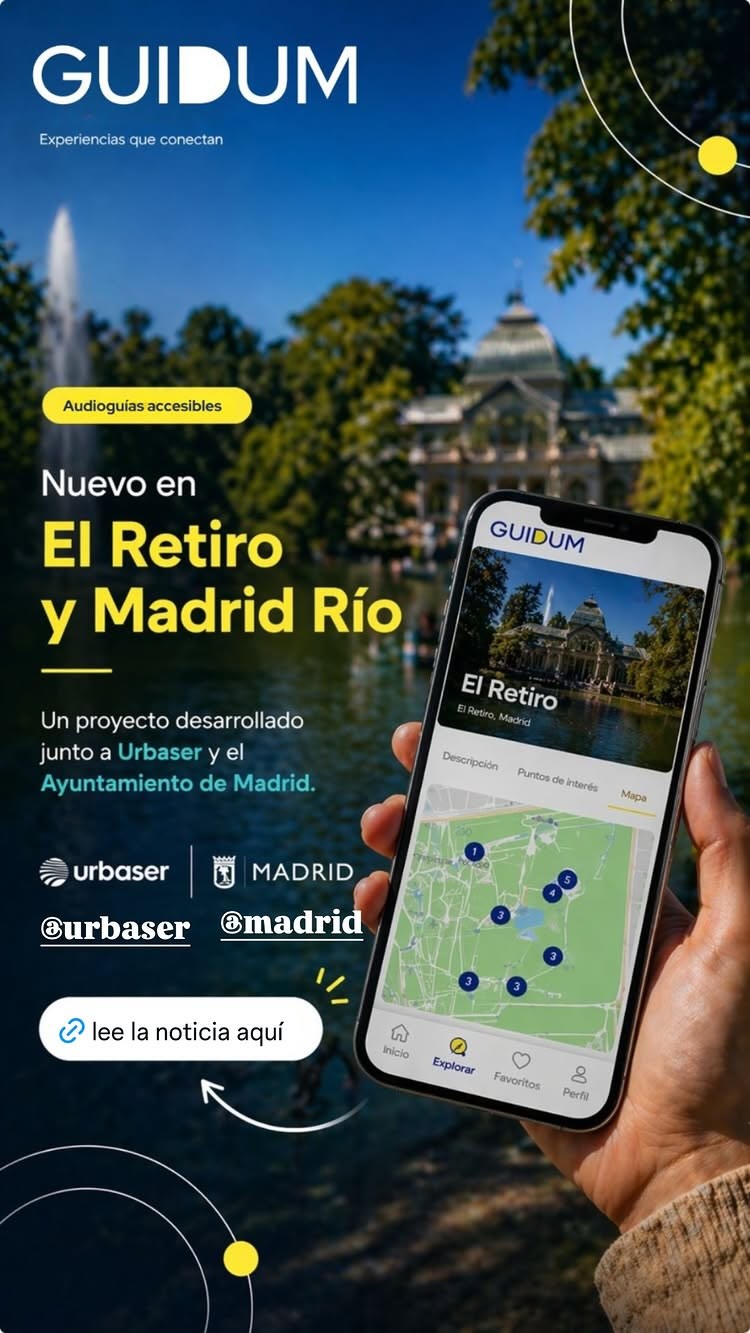
The Madrid City Council is advancing in the digitalization of the city’s public spaces and has implemented interactive audio guides in the Buen Retiro Gardens and Madrid Río. The project seeks to offer a free immersive experience to citizens and visitors to boost their enjoyment of the capital.
The initiative has been promoted by the Madrid city council and developed entirely by Guidum-Aebia, the division specialized in digital solutions and space management of Urbaser, a company specialized in environmental solutions. It involves the offer of a new service of audio guides and interactive maps that will provide a new perspective on two emblematic enclaves of Madrid.
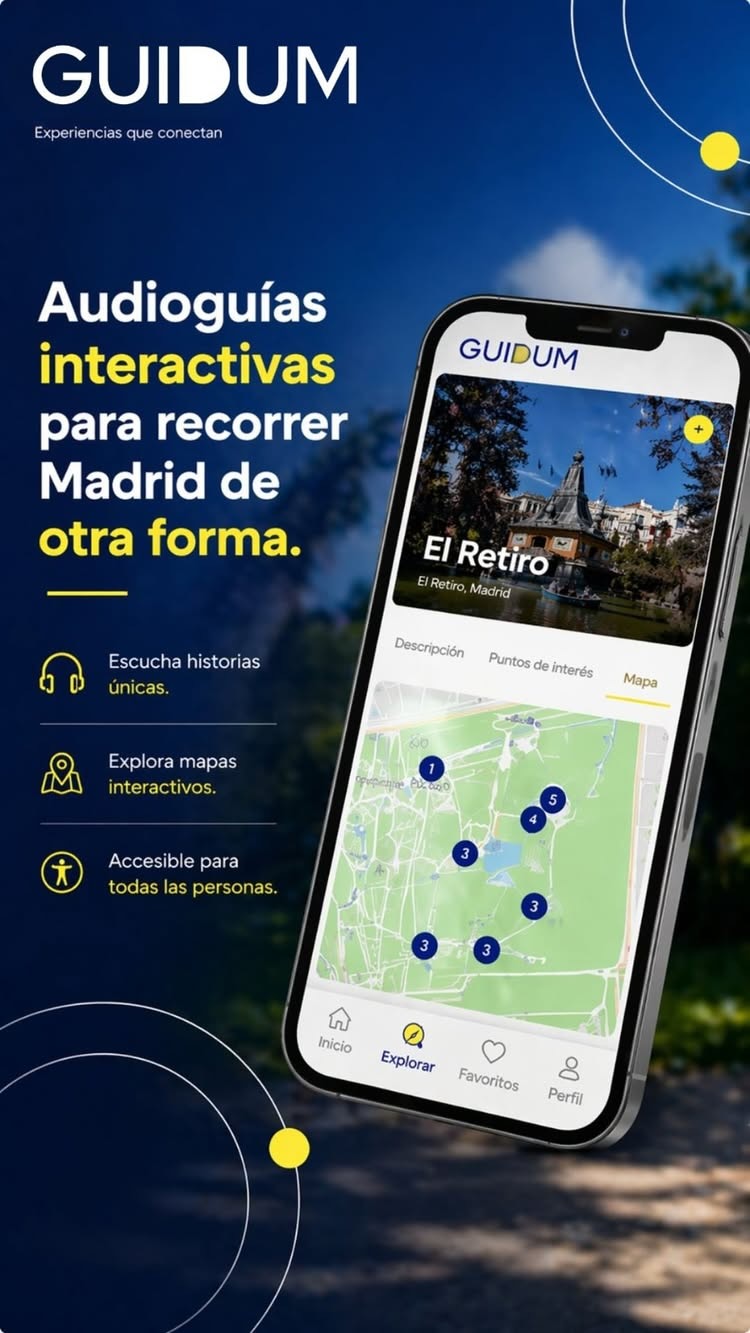
They include interactive maps, historical data, and botanical and architectural curiosities.
The guides are available free of charge and digitally through mobile devices, and include interactive maps, historical data, and botanical and architectural curiosities. They have interpretation in sign language as well as transcription, which makes them accessible to people with visual or auditory diversity.
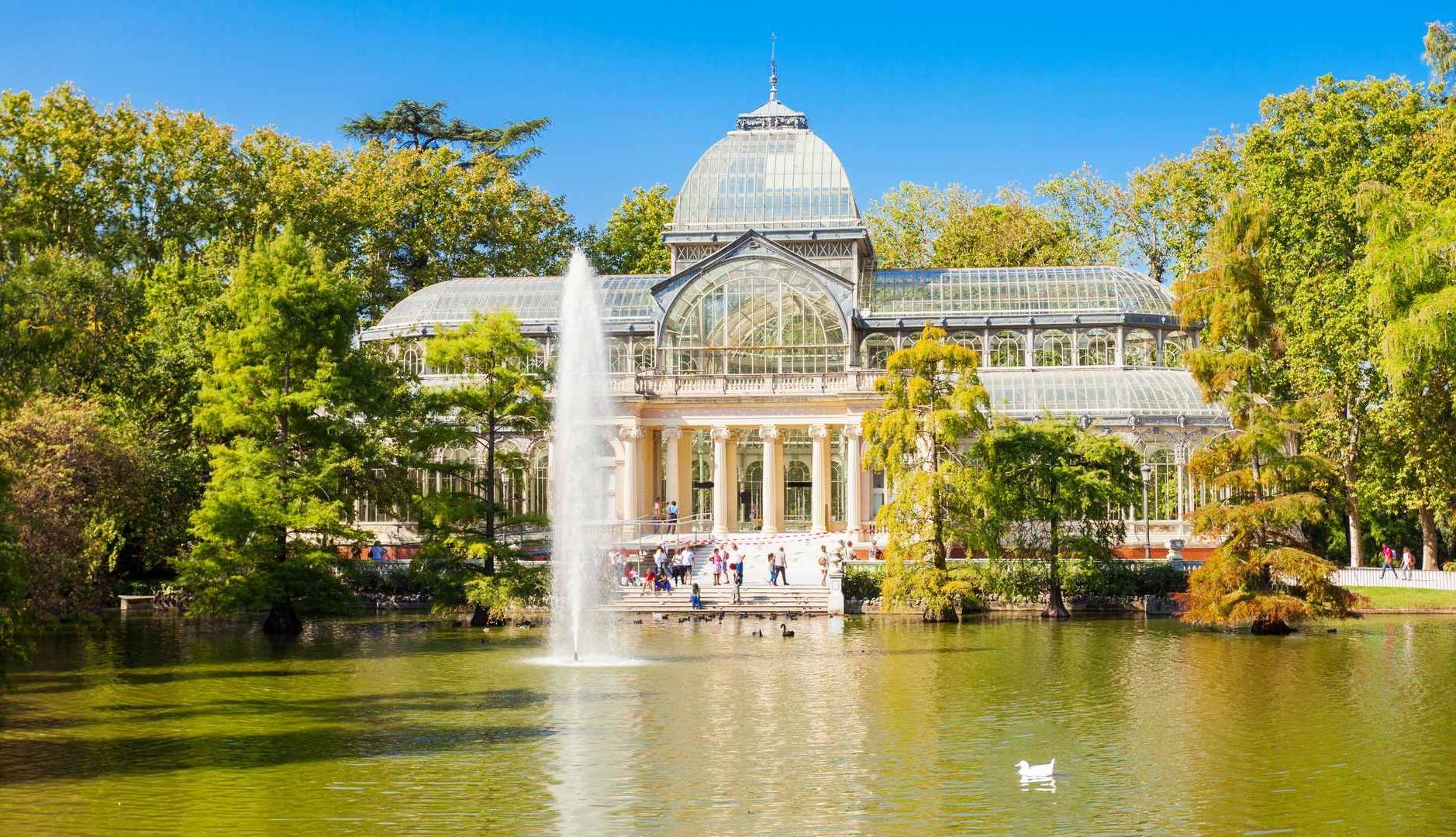
As Urbaser explains in a statement, in the El Retiro park, the audio guide will provide a tour of spaces such as the Crystal Palace, the Big Pond and the Cecilio Rodríguez gardens. The service also delves into its declaration, along with the Paseo del Prado as a Landscape of Light, as a UNESCO World Heritage Site, of which it has been a part since July 2021.
This audio guide consists of 38 tracks, with a total duration of 1 hour and 10 minutes.
On the other hand, in the Madrid Río area, the audio guide focuses on the urban transformation of the Manzanares River bed, highlighting its monumental bridges, its ecological recovery and the green, leisure and sports spaces that have already made it a backbone of the south of the city.
This audio guide consists of 22 tracks, with a total duration of 30 minutes
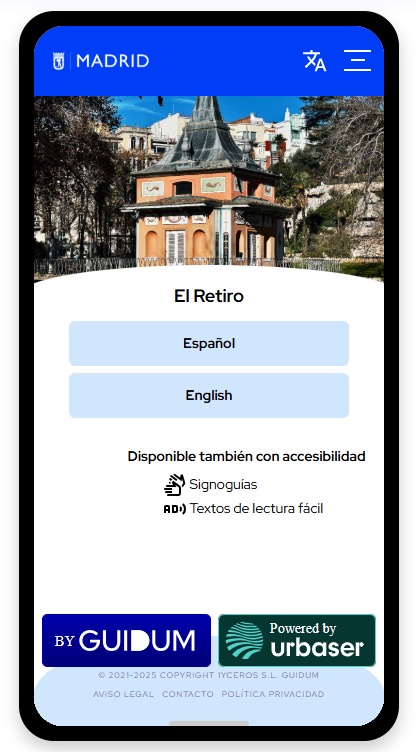
To enjoy the guides and interactive maps, citizens only have to download the Guidum application or scan the QR codes located at the access points and information panels distributed in both parks. This gives access to a series of audios and videos with the corresponding explanations, and to dynamic maps that allow the user to geolocate in real time and discover nearby points of interest that can often go unnoticed.
According to Urbaser, the initiative will boost Madrid in its evolution to become a Smart City and increases its commitment to culture and the environment, facilitating all citizens to enrich their knowledge about heritage in a sustainable and accessible way. On the other hand, he ensures that the digital service reinforces the company’s positioning in the area of urban services.
“Our Guidum-Aebia technology seeks to bring the city’s green heritage closer to all audiences in a sustainable, accessible and modern way.“, commented José María Pascual Adalid, Director of Social Insertion and Sustainable Mobility Services at Urbaser, in a statement. “This project also reflects our conviction that progress is only sustainable if it generates real well-being in people through a deeply human and close perspective.”.