No bank account, no job, no rental contract, and therefore, no registration. It is the complex situation in which thousands of migrants find themselves, an infinite administrative loop that makes their integration into our country difficult and for which the Karibu Association proposes a solution with “Chapters of Hope”, a campaign developed by the creative agency McCann.
The organization, dedicated to helping and supporting migrants and refugees of African origin, proposes using public libraries as a tool for social integration and reading as a way to prove one’s roots in Spain. The project is based on the principle of universal access to culture under which public libraries operate.
It consists, on the one hand, of positioning the library card as a document registered in the name of migrants; and on the other, in a collection of books that, organized in a two-year itinerary, would serve as proof of presence in an official database and, therefore, a possible complementary way to prove permanence in the country.
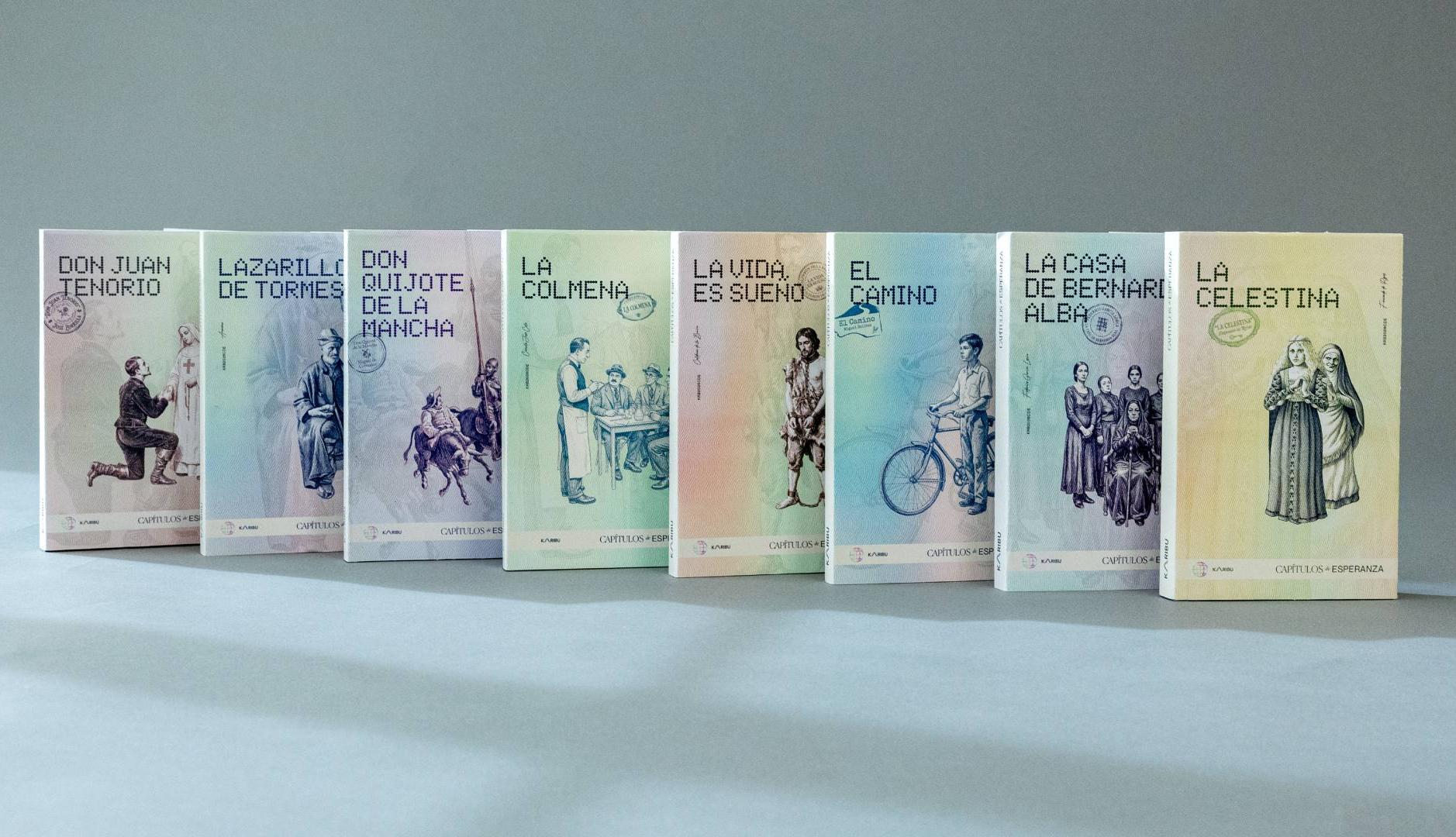
This collection has been made in collaboration with the publishing house La Fábrica and is made up of some of the most recognized titles in Spanish literature, such as “Don Quixote de la Mancha”, “La celestina” or “La casa de Bernarda Alba”. Its design is inspired by the aesthetics of passports and identity documents, an easily identifiable visual language that reinforces the concept of the project.
In addition, some photographic portraits of daily life, popular festivals and landscapes of Spain are included, as well as images to facilitate understanding.
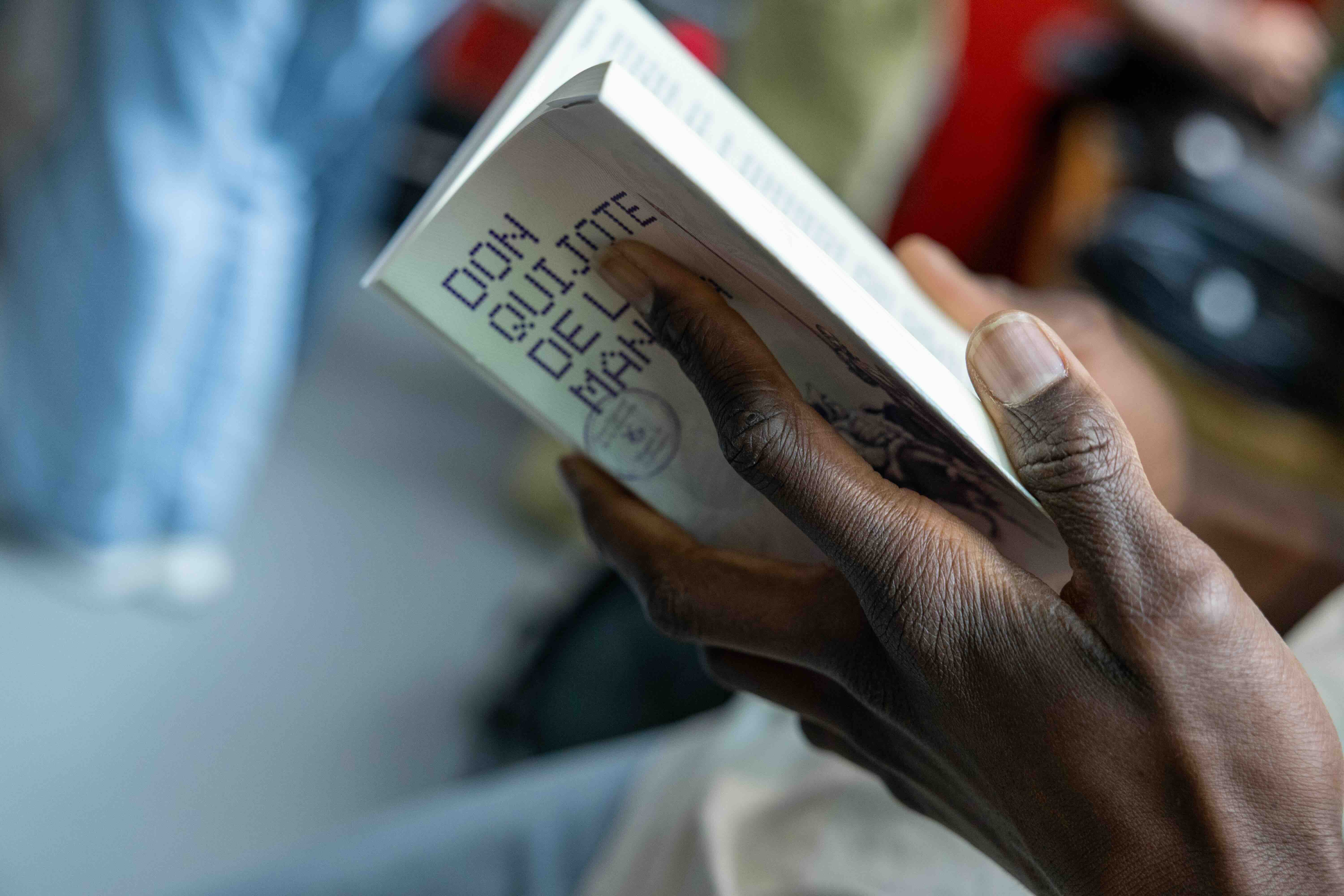
The idea that articulates the proposal is that active participation in cultural life, through reading, can become a way to facilitate the community integration of foreigners in an irregular situation. The Karibu Association considers that the initiative takes on special relevance given the upcoming process of extraordinary regularization of immigrants announced by the Government.
Considers that the proposal provides a social and cultural dimension, by providing a possible complementary way to accredit permanence in the country through cultural practices sustained over time. In addition, “Chapters of Hope” also reinforces the role of libraries as spaces of inclusion and community and that of culture as an integrating element.