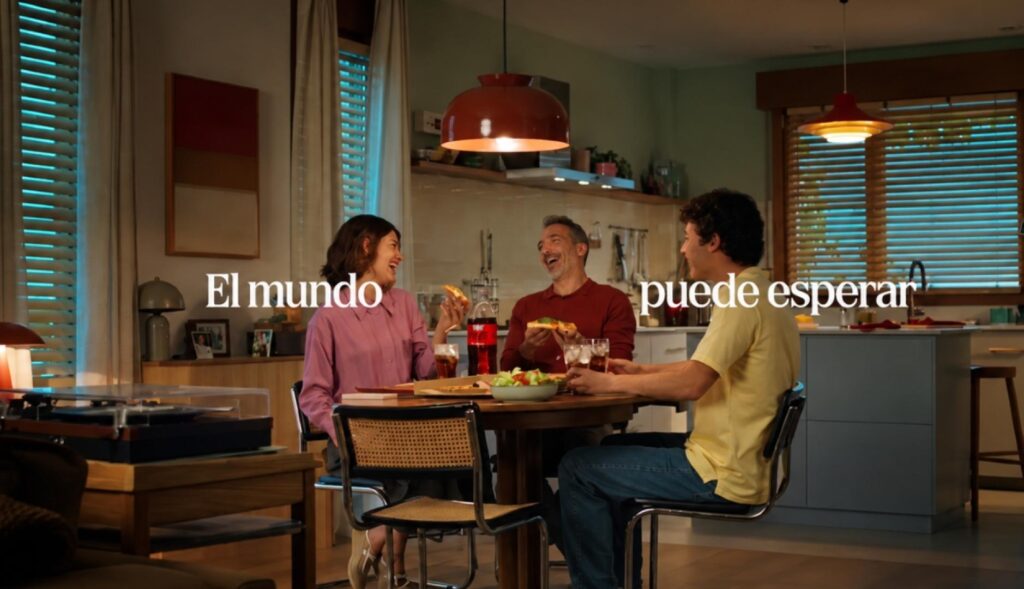
Use the same tactics as scammers to fight fraud. That is what Visa France has done in one of its latest campaigns, which it has developed over recent months and with which it has sought to warn consumers of the way in which cybercriminals are using artificial intelligence to commit scams. And, precisely, he has resorted to fake images to help avoid real traps.
In November 2025, Visa launched, together with the Marcel agency, the “The Feathered Lamb” campaign to raise awareness about online fraud. The initiative was named after one of the AI-generated images that was posted to a Facebook group called Petit Pamplemousse, created by an anonymous account.
For days, different fake photos and videos generated by artificial intelligence were published in that space, allowing users to react to the publications naturally and organically for two weeks. The images, as the agency has now shared, generated an intense conversation, and accumulated more than 20,000 comments, 17,000 shares and hundreds of thousands of reactions.


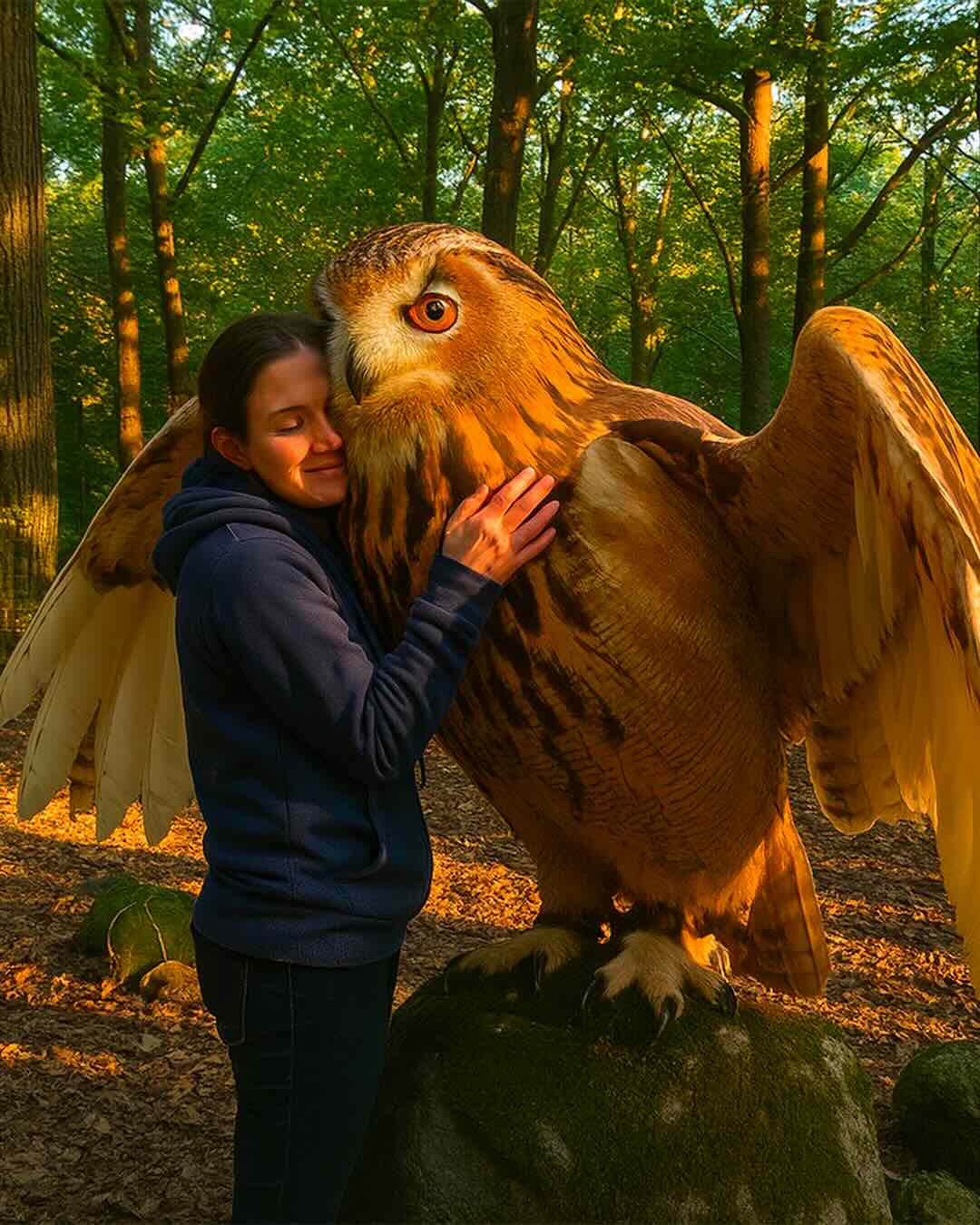
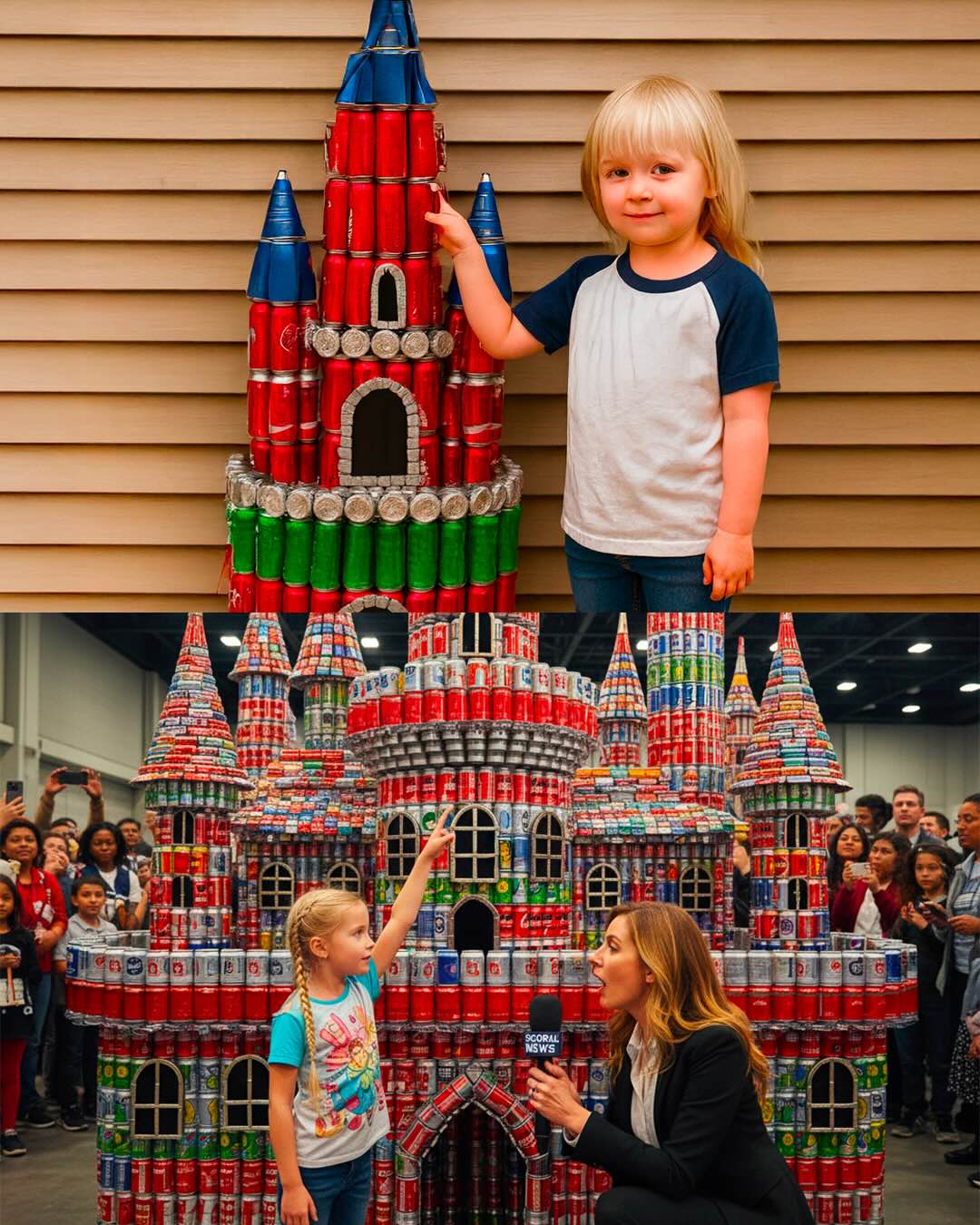

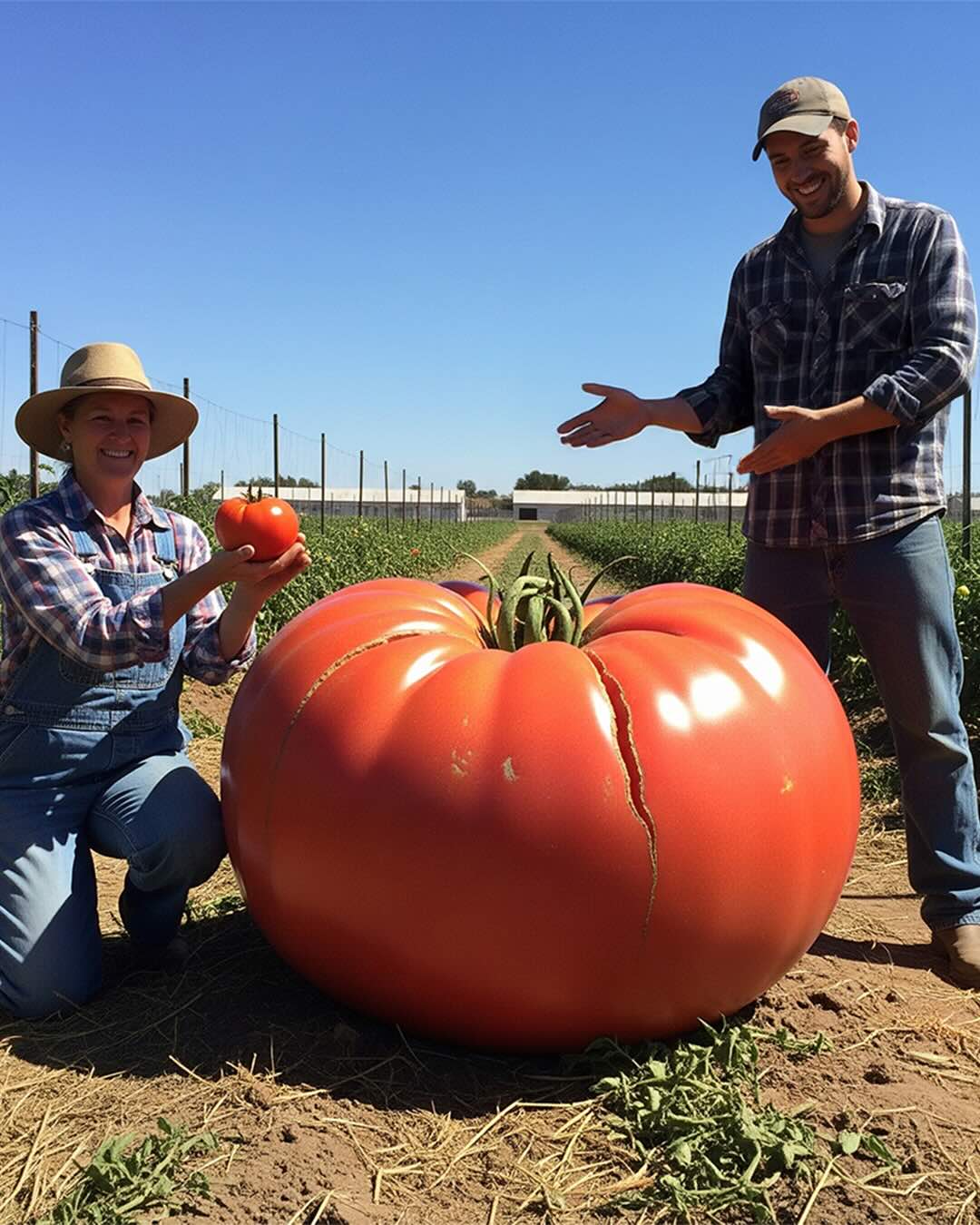

In a second phase, Visa revealed the intention of the campaign. All those users who believed in the fake news received a message with a video that revealed that everything was a farce. Additionally, he was directed to a specific website where the company shared simple tips to help avoid fraud, educational articles, and an overview of Visa solutions.
“We wanted to use the same psychological triggers as scammers, but in reverse“, commented Julian Clobus, Director of Brand and Product Marketing at Visa France, in a statement from the agency. “Transaction security is fundamental to our mission, but the main vulnerability remains human. The idea is to draw attention and deactivate the trap immediately by reminding people of the best practices and solutions that Visa offers..
In addition, as part of the campaign, a summary video was created that was shared on social networks and digital platforms in which the company alluded to the initiative and called on users to be alert and reinforce their security to avoid falling for the frauds of scammers.
Visa also collaborated with newspapers Le Parisian and Les Échoswho published articles on AI-related threats, new forms of fraud, and the company’s solutions.
The campaign, which has continued to run in recent weeks, has also included the collaboration of influencers and content creators, such as Zut Antoine, who has created a video in which he challenges his father to identify whether the Visa images have been generated with artificial intelligence. At the end of the piece he encourages his followers to visit the company’s website and obtain more information about online fraud.
“The feathered lamb” has also been activated in Visa’s European and global accounts, with a video starring, precisely, the feathered lamb in one of its images. He presents himself as a presenter of a news program focused on online fraud, and in which, among other things, he interviews David Capezza, Risk Director for Visa Europe, who provides advice to avoid scams.
The campaign activated in France is part of a broader educational initiative at European level called “Can you trust what you see online?”, which aims to raise awareness about new artificial intelligence techniques used by scammers.
The campaign focuses on people as they are one of the main weak points of fraud based on artificial intelligence. He assures that on social networks, 99% of scams come from false ads, and thanks to AI, these scams are multiplying and are increasingly difficult to detect. A European analysis by Visa reveals that people who confuse AI-generated content with real content are almost five times more likely to be victims of a scam (62% vs. 13%). The cost reaches an average of 140 euros per incident and it takes 14 days to resolve the problem.
As Marcel announced, the campaign generated a particularly strong response among the public, registering more than 500,000 interactions in just a few days and reaching a total of 2.09 million people. It achieved an average engagement rate of 24%, reflecting the audience’s strong interest in the content.