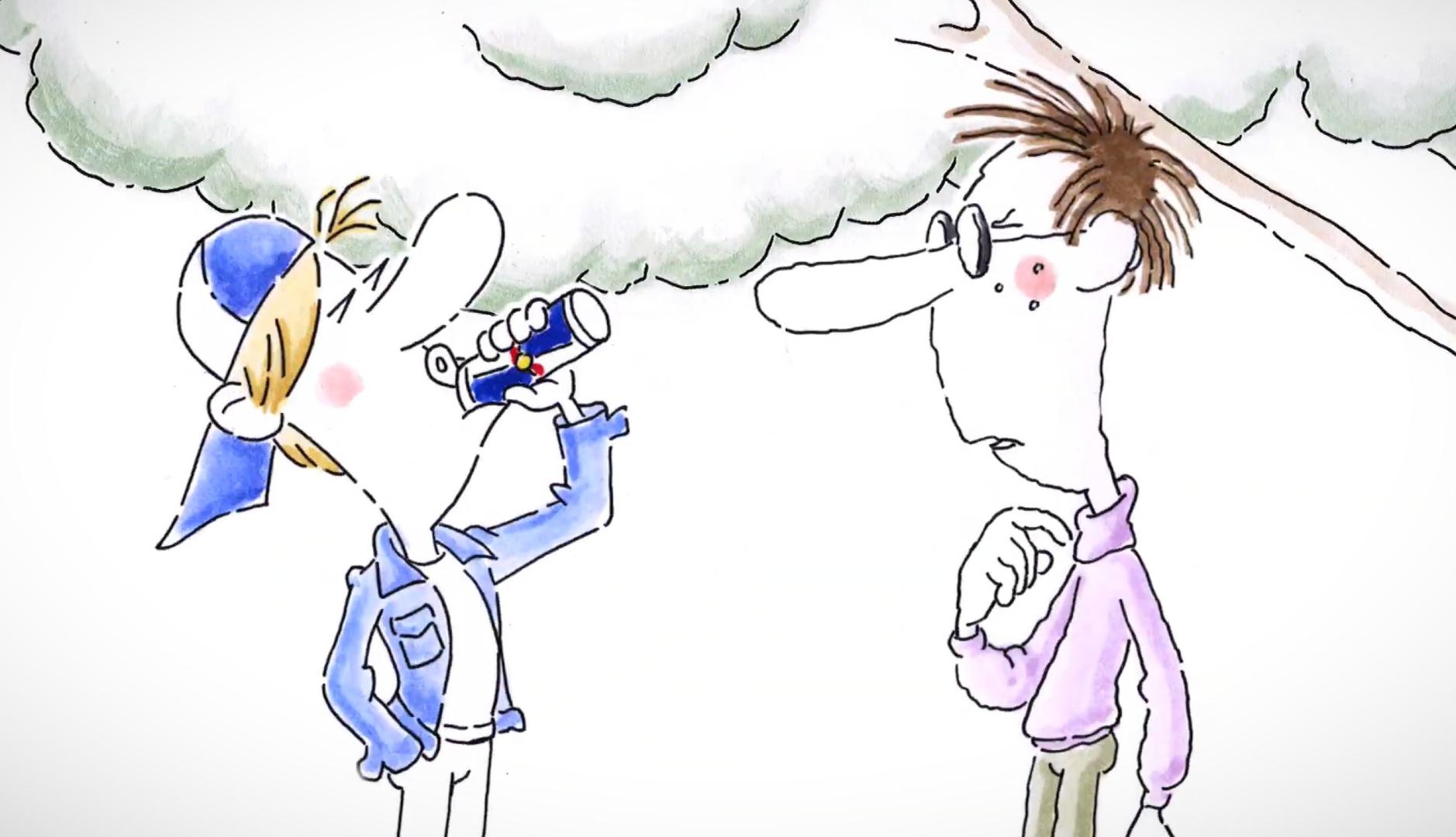
The Ministry of Social Rights, Consumption and Agenda 2030 wants to prohibit the sale of energy drinks to children under 16 years of age. The measure would be extended to consumers under 18 years of age in the case of drinks with more than 32 milligrams of caffeine per 100 milliliters.
The person in charge of the portfolio, Pablo Bustinduy, has announced that he will implement regulations for this, although he has not specified the form of this. He has done so, as explained by the ministry, before meeting with representatives of the Gasol Foundation, which works to reduce childhood obesity and promote healthy habits.
The regulations would affect brands such as Red Bull or Monster
The regulations would affect brands such as Red Bull, whose 250 ml cans of energy drinks contain 80 mg of caffeine; or Monster, whose 500ml can includes 160mg of caffeine, according to their websites. The products of both would be above the proposed limit of 32 milligrams of caffeine per 100 ml.
The regulations would mean an expansion of efforts to reduce the consumption of foods and beverages with an unhealthy nutritional profile. It aligns with the ban on the sale of energy drinks in schools across the country that was put in place last year. In addition, it agrees with similar initiatives promoted in surrounding markets, such as Germany, Norway or Latvia.
What’s more, in some Spanish regions there are already regulations in this regard. At the beginning of the year, the Xunta de Galicia published the Law on the protection of the health of minors and the prevention of addictive behavior. With it, he has equated energy drinks with alcohol and vaping devices with tobacco, prohibiting their sale and consumption by minors. Previously, in October 2025, the Principality of Asturias also approved a bill to prohibit the sale, supply and consumption of energy drinks to minors under 16 years of age.
The regulatory initiative, as indicated by the ministry, would be supported by the report on the risks associated with the consumption of energy drinks prepared by the Scientific Committee of the Spanish Agency for Food Safety and Nutrition (AESAN) in 2021. This pointed out that excessive consumption of caffeine can cause unwanted effects, including sleep disturbance, behavioral alteration, or cardiovascular disorders.
Bustinduy has assured that the proposal has social support, despite the widespread consumption of energy drinks. According to recent data from AESAN, 25% of those surveyed consume energy drinks on average twice a week, almost half of these do so at least once a day. However, nine out of ten people in Spain agree with this prohibition; and more than 88% of young people between 18 and 35 years old support banning energy drinks.
Unhealthy food advertising
In parallel, the minister recalled that Consumption also seeks to implement a regulation of unhealthy food advertising aimed at girls, boys and adolescents. It is a measure that has been worked on since the end of 2022, when the President of the Government, Pedro Sánchez, presented the National Strategic Plan to reduce childhood obesity and which included measures related to marketing and advertising.
This initiative, according to the ministry, would also have social support. Data from AESAN indicate that almost 80% of Spaniards believe that the advertising of unhealthy foods to minors should be prohibited.
The regulations, again, would be aligned with others in the environment. It should be remembered that this same year advertising of unhealthy food is prohibited in the United Kingdom on television before 9:00 p.m. and in the digital environment 24 hours a day.
Consumption states that the intention is to protect the child and adolescent population from this type of advertising as one of the keys to tackling childhood obesity. Referring to indications from the World Health Organization, the ministry points out that exposure to this type of advertising increases caloric intake, promotes the consumption of unhealthy and low-nutritious foods, and has a detrimental and sustained impact over time on your health.