Although social media offers endless possibilities for connection and discovery, it also exposes adolescents and young people on a daily basis to harmful and sexist content that influences the way they think and act and has real-life consequences for women and girls. Also in those they know, as reflected in the campaign against online misogyny that the Scottish Government has launched.
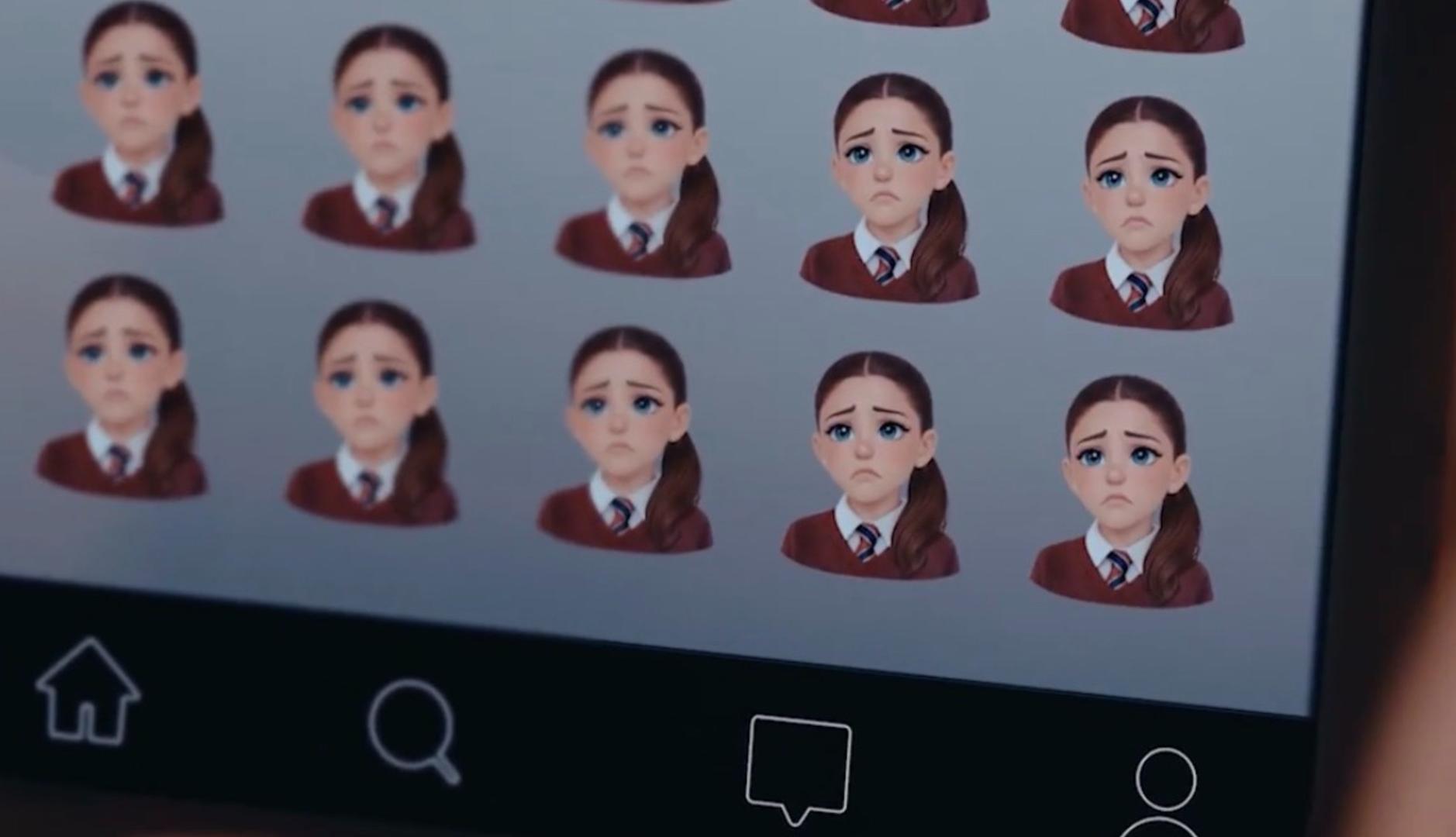
Under the title “Sexist content is never harmless”, the new awareness strategy uses, precisely, the visual and narrative codes with which young people are familiar. In a piece worked together with the agency Leith, the Scottish Government uses personalized emojis as a reaction to misogynistic content in an invitation to teenagers not to interact with it and, in this way, not favor its amplification and reach.
“The Scottish Government is launching this campaign to help children and young people connect what they see online with the impact it has in the real world. Frequently viewing and interacting with this content can make it seem normal, when in reality it is neither normal nor acceptable.”, comments the executive in a statement.
Creativity reframes interaction with sexist content as a real cause of harm and offers young audiences a clear tool to take action. Precisely the target has helped shape the campaign, as stated The Drumas the agency has collaborated with research and planning firm The Nursery to include young people in co-creation and authentically reflect how they experience content on social networks.
“This work was created with young people, not just for them. They helped define the tone, settings and message, offering something drawn directly from their worlds. They wanted to act, but in a safe and achievable way that would make a difference”commented Richard Thomson, Client Manager at Leith.
The campaign is part of the “Equally Safe” strategy, focused on the prevention of sexist violence against women by focusing on the attitudes and behaviors that condone and perpetuate it. It is also included in the “Safer Scotland” platform, which works to eliminate any type of abuse, such as hate crimes, sexual extortion or abuse.
In addition to the main audiovisual piece, the campaign, which will run between February 16 and March 23, includes another series of activations, such as publications on social networks, presence on digital platforms, radio or outdoor advertising. These activations will boost the reach of the message and will work to raise awareness among both young men and adults by sharing data and information of interest.
Among them, results from a study by the Girlguiding association that indicates that 3 out of 4 girls in the United Kingdom between 11 and 16 years old have experienced sexism in real life; or that 68% of young women between 11 and 21 years old have been forced to change their usual behavior to avoid sexual harassment. Also that 92% of young women have had to take actions to improve their online security.
The campaign is also complemented with additional content, advice on how to address the issue or resources and contacts with specialized organizations both through the “Safer Scotland” platform and Parent Club, a Scottish Government initiative to support and accompany parents in the education of their sons and daughters.