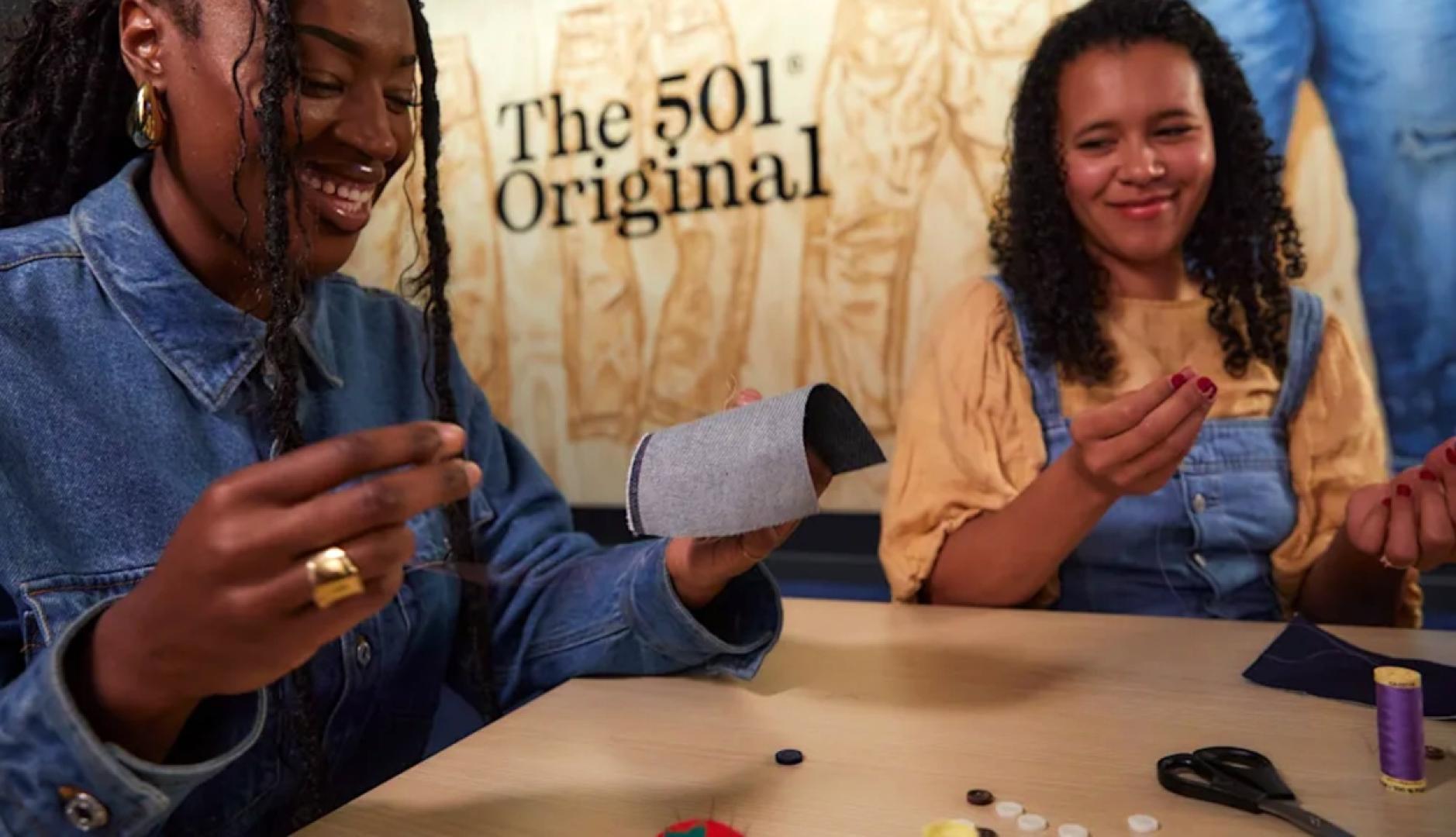
For decades, repairing a garment was a basic skill taught in classrooms. However, starting in the 1970s, home economics classes progressively disappeared from the educational system, leaving several generations without minimal knowledge of sewing. The rise of fast fashion ended up cementing this disconnect: clothes became so cheap that mending them no longer seemed like a reasonable option.
41% of Generation Z in the United States admit that they do not know how to sew a button or fix a rip.
According to a study promoted by Levi’s, 41% of Generation Z in the United States admit that they do not know how to perform basic repairs such as sewing on a button or fixing a tear, double that of previous generations. In parallel, the environmental impact of the current model leaves alarming figures: each American throws away an average of 81.5 pounds of clothing per year, which is equivalent to more than 900 kilos of textile waste entering the country’s landfills every second.
In this context, Levi’s has launched a free educational course aimed at high school students, developed together with Discovery Education and aligned with official educational standards. The program, called “Wear Longer,” consists of four sessions designed to fit into different subjects – from STEM to social sciences – and teaches how to repair clothing by hand, without the need for sewing machines.
Paul Dillinger, Vice President of Global Product Innovation at Levi’s, explains that the initiative is based on the conviction that repair is not only a technical issue, but also a cultural one. “When someone invests time and care in fixing a garment, their relationship with it changes. It stops being something disposable and begins to have emotional value”he points out. For the brand, partnering with repair reinforces its historical positioning around durability and long-term use.
The program is not presented as a revival of old sewing classes, but rather as a practical and transferable skill. Kimberly Wright, head of instructional design at Discovery Education, highlights that there is renewed interest in skills-based learning, aimed at preparing students not only for college, but also for professional and personal life.
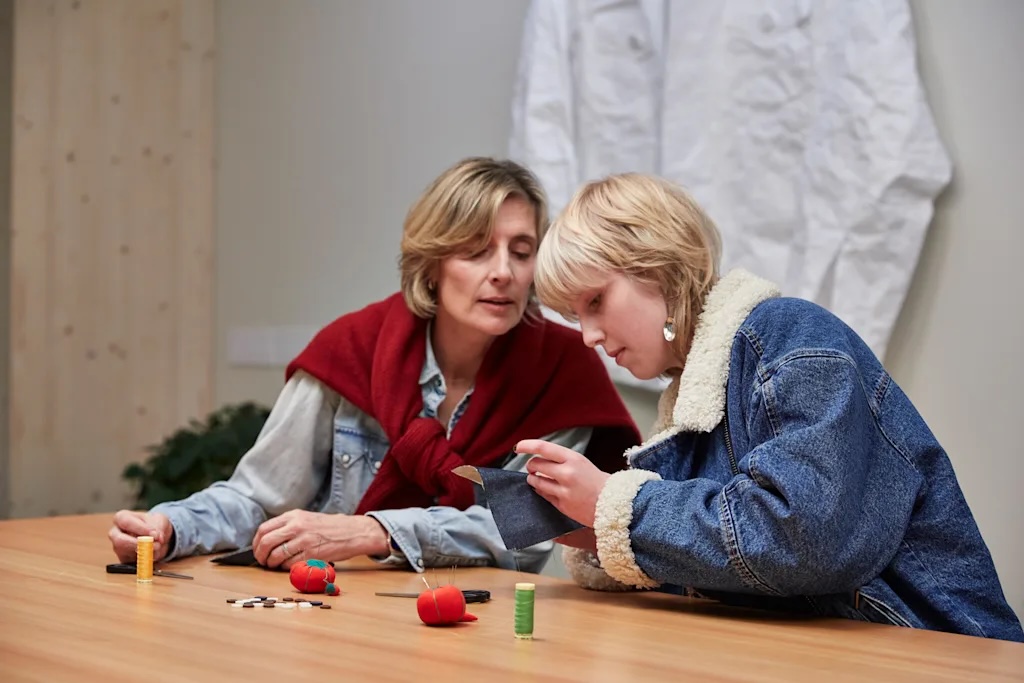
The initiative is funded from Levi’s social impact and community engagement budget, not from its marketing area, although the content does include the brand. The company recognizes, however, that the project does not solve the structural problems of the industry on its own, but they consider it a first step to change mentalities and promote a more responsible relationship with clothing.
Critical voices, such as sustainability consultant Amanda Lee McCarty, remind that the real challenge remains to reduce overproduction and improve the quality of the garments that reach the market. Even so, they agree that teaching how to repair can help consumers, especially younger ones, better understand the real cost of fashion and demand deeper changes in the sector.