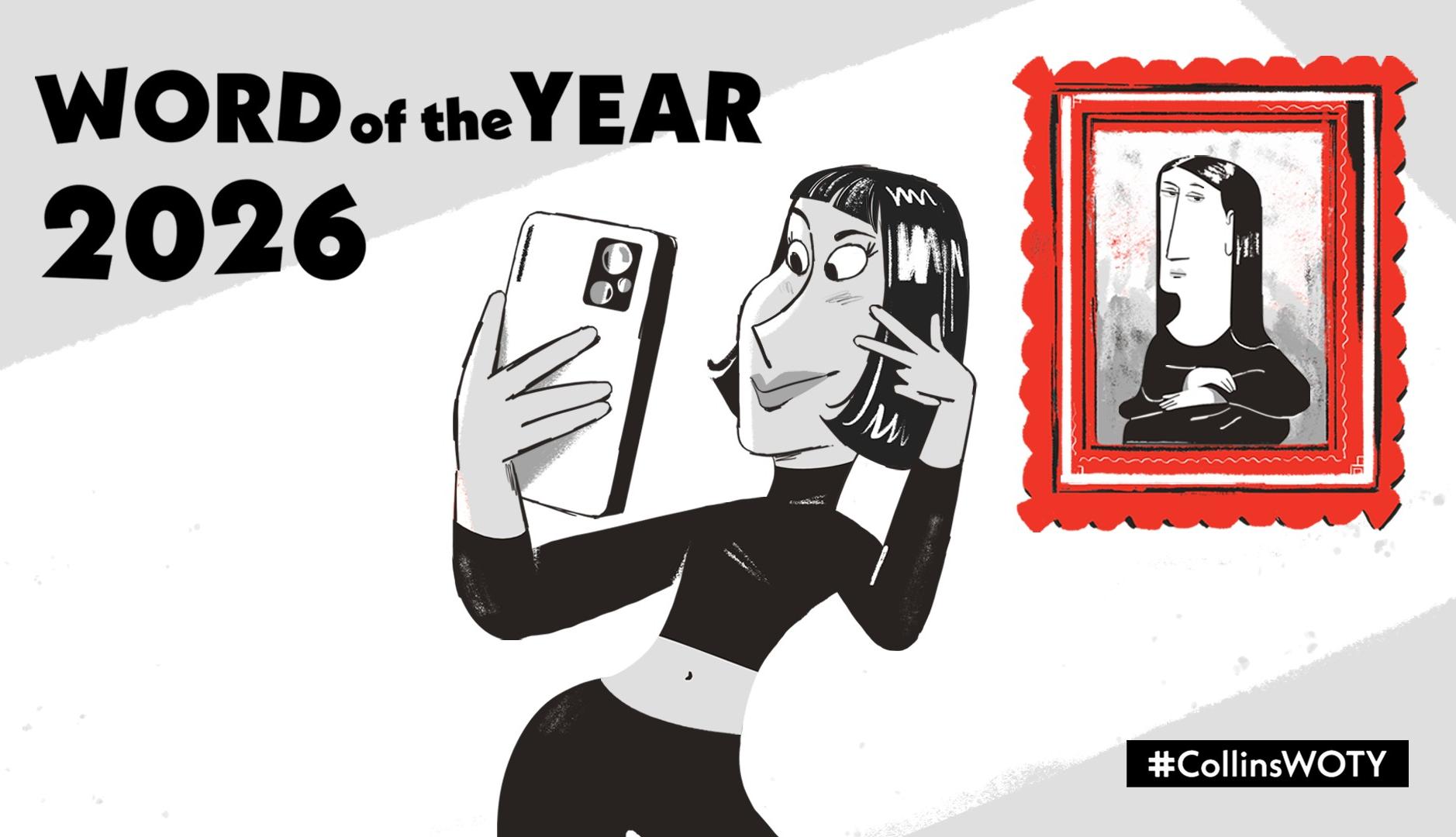
“Mogging,” a slang term meaning to surpass or outshine someone or something, has been selected as the 2026 Word of the Year by Collins Dictionary. Despite its negative connotations, the dictionary’s publishing firm ensures that the concept is increasingly used by both Generation Z and Generation Alpha, in a playful and ironic way; but users criticize the decision due to the origin of the term and its possible temporary nature.
In recent times, the word has become consolidated in common language, spreading widely in the digital environment and becoming part of everyday conversations. “Teenagers mog elite athletes, a new video game makes a classic look ridiculous, and a friend’s sourdough bread makes the one you made all weekend look like a botch.“, notes the blog entry. “In short: if someone or something has left you in a bad place by comparison, you have been ‘mogged.'”
As Collins points out in a blog post, “mogging” would come from “AMOG”, an acronym for the construction “alpha male of the group”, a word that emerged around 2016 in the field of sports to refer to the most physically dominant man in the gym. Later, the term evolved to become a verb and began to circulate through the so-called “manosphere.”
This is precisely one of the issues that has raised negative comments from users regarding Collins’ decision. “Incel language? What world is this“, questions one in the responses to the publishing firm’s publications; while another wonders what social message choosing a word that was popularized in misogynistic environments sends.
However, others also criticize the predictable temporality of the term, its excessive connection with a specific generation and the lack of knowledge of its meaning by the majority of the population. “This is pathetic, probably 1% of the public knows what this means and it will be gone within 2 years. Who is making these decisions, a child?”says a user on Instagram.
Another points out: “‘Word of the Year’ has always been mostly some online slang used only by individuals with brains. All this Gen Z slang about maxxing and mogging is especially stupid”.
In 2025, the term chosen as Word of the Year was “vibe coding”, which referred to the use of AI to generate computer code, that is, the act of telling a machine what you want, instead of programming it yourself with painstaking effort. The concept refers to programming based on sensations.
In 2024 the word selected was “brat”, which evokes a defiant attitude or a striking aesthetic; while in 2023 the winning term was “AI”, the abbreviation of “artificial intelligence”.
The other candidate words
The list of other words that have chosen to win the distinction of Word of the Year 2026 from the Collins Dictionary are also linked to the expansion of artificial intelligence and the consolidation of new terms and concepts in everyday language. Thus, “friendslop” was also among the candidates, and is used to describe low-budget video games, with a rough aesthetic, created independently and designed to be enjoyed in groups with friends.
Linked to artificial intelligence, the term “P(doom)” was also on the list, a combination of the symbol P, for percentage and probability, and “doom,” which means condemnation. This refers to the probability perceived by someone that artificial intelligence will cause the collapse of human civilization.
The automobile industry has also found representation among the candidates. Collins has considered the term “carspreading” which, in a similar vein to the concept “manspreading,” refers to the tendency of automobile manufacturers to create increasingly longer, wider and heavier vehicles with each new model.
The list has also included words associated with natural phenomena and social events. On the one hand, there was “firewave”, in reference to the appearance of multiple forest fires in a short period of time after long periods of heat and drought. And associated with high temperatures, “hydration break” has been considered, the additional time established in World Cup matches to allow players to drink water and hydrate.
British politics has also been represented through the term “Manchesterism”, a current of liberalism born in the city of Manchester and which advocates decentralizing power to the regions and combining economic growth with social progress. The word has its origins in the 19th century, but was rescued this year by Andy Burnham, the current Prime Minister of the United Kingdom and former mayor of Greater Manchester county.
Among the candidates was also “ghost job”, which refers to vacancies advertised by an employer who, in reality, has no intention of hiring anyone. On the other hand, “Fricy” has competed with its combination of fruity and spicy; and “bixie” with its reference to haircuts halfway between a “bob” and a “pixie.”