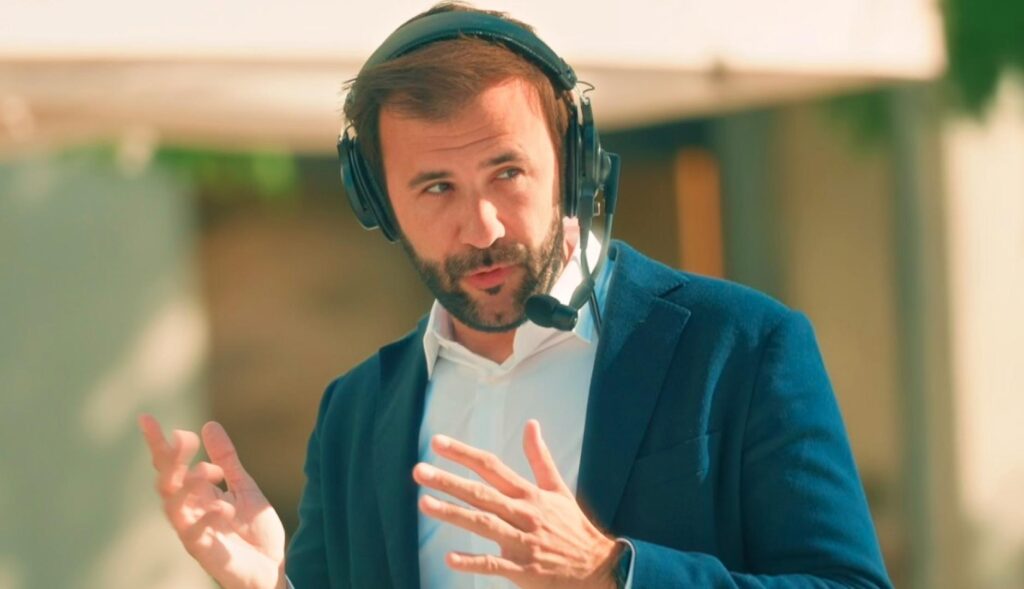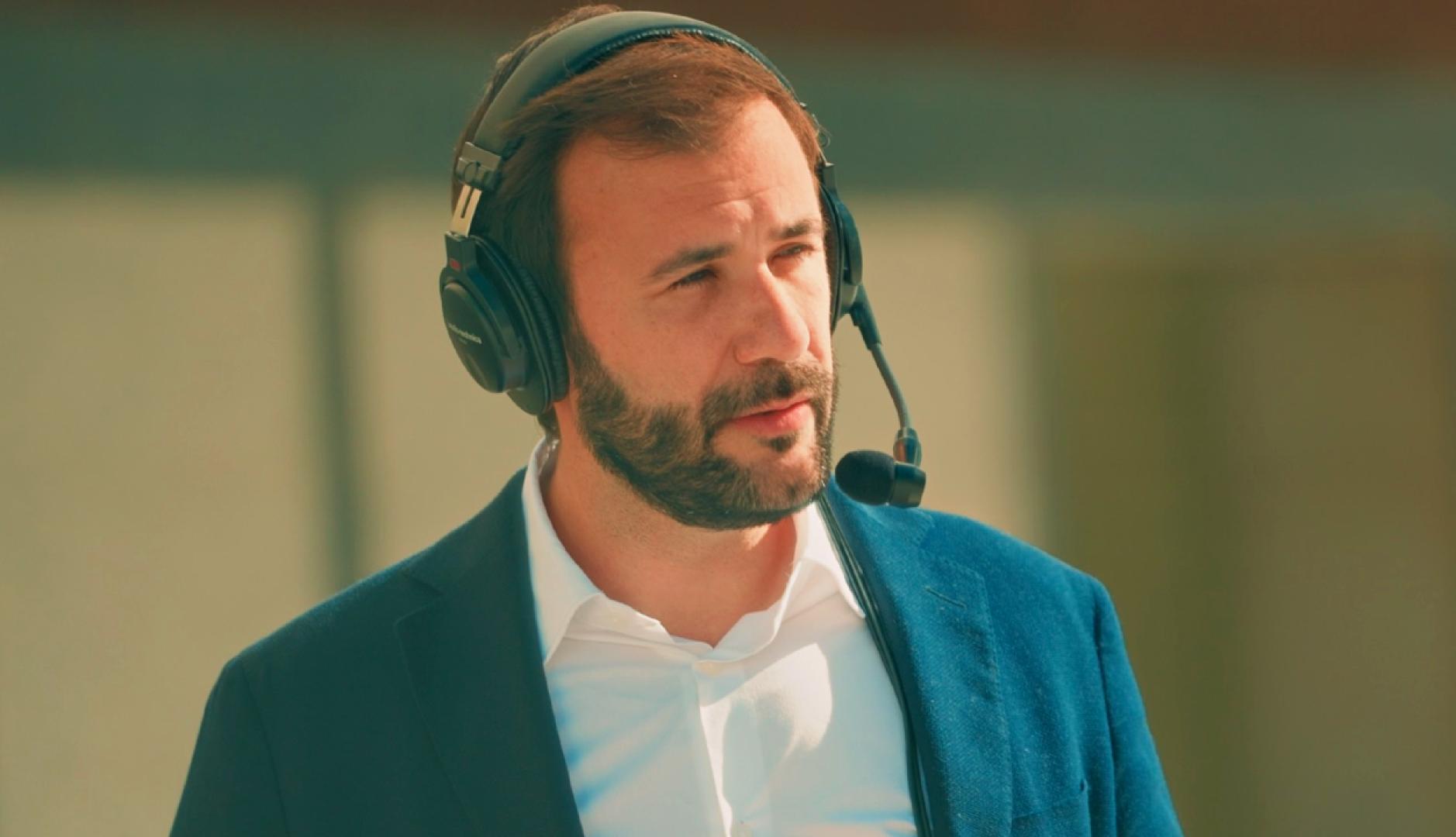
We met with Carlos García Trillo, Marketing and Digital Director at Gaes, to walk around Madrid and talk about strategy, team management and the decisions that have marked his professional career. During the conversation with Javier Guadiana in Light & LightsCarlos shares how he faced one of the challenges he encountered when joining the company: a digital channel that was losing acquisition and sales capacity and needed to recover its contribution to the business.
The answer, in many cases, in these cases is to incorporate new tools or increase investment. But at Gaes it also involved reviewing how the work was organized, what profiles the team needed and how the digital area was related to the rest of the organization. An interesting approach at a time when much of the conversation about digital transformation revolves around technology, while people, processes and coordination between departments continue to be decisive for any strategy to work.
When Carlos arrived at Gaes a couple of years ago, the digital channel indicators showed a negative evolution both in the generation of commercial contacts and in sales from that environment. So, before proposing new initiatives, the first step was to review the team structure and understand what was preventing the channel from growing. As a consequence, the company reorganized functions, incorporated talent with start-up experience, reviewed the relationship with its partners and worked to improve marketing coordination with points of sale. This last aspect is especially relevant in a business like Gaes’, where digital activity does not necessarily end in an online transaction and must make it easier for people to reach establishments and receive in-person service.
The result, as Carlos explains, has been to go from a negative evolution to registering double-digit growth in the digital channel.
This case allows us to reflect on a common difficulty in organizations, whose teams find it difficult to correctly identify what is limiting growth before deciding where to invest. It is not always a question of budget, technology or the ability to generate new ideas. Sometimes the main obstacle is how responsibilities are distributed, what capabilities the team brings together, or the extent to which different departments work on shared objectives.
At Gaes, furthermore, this connection between marketing and business has an especially broad dimension. Carlos explains that his responsibility goes beyond communication or recruitment, because it also includes areas such as pricing or even customer service. And this proximity to commercial activity allows you, for example, to check the sales of an establishment every half hour.
The conversation with Carlos also addresses how his way of understanding marketing has changed after working in companies such as Ferrero, Reckitt, PepsiCo or MediaMarkt; What you learned from the relaunch of Bitter Kas or why you think marketers need to better understand margins, distribution and financial decisions to gain influence within companies.