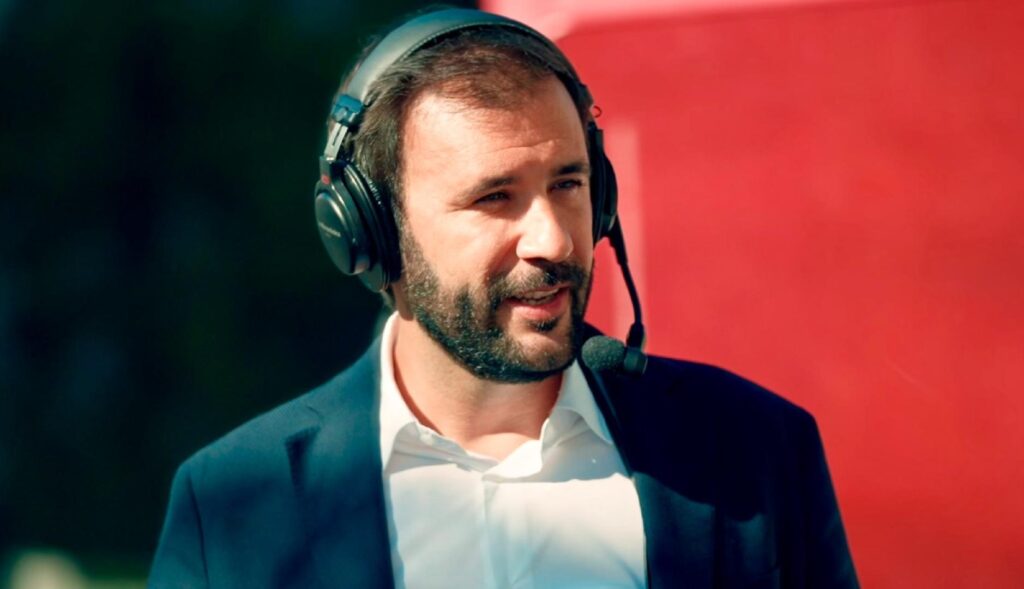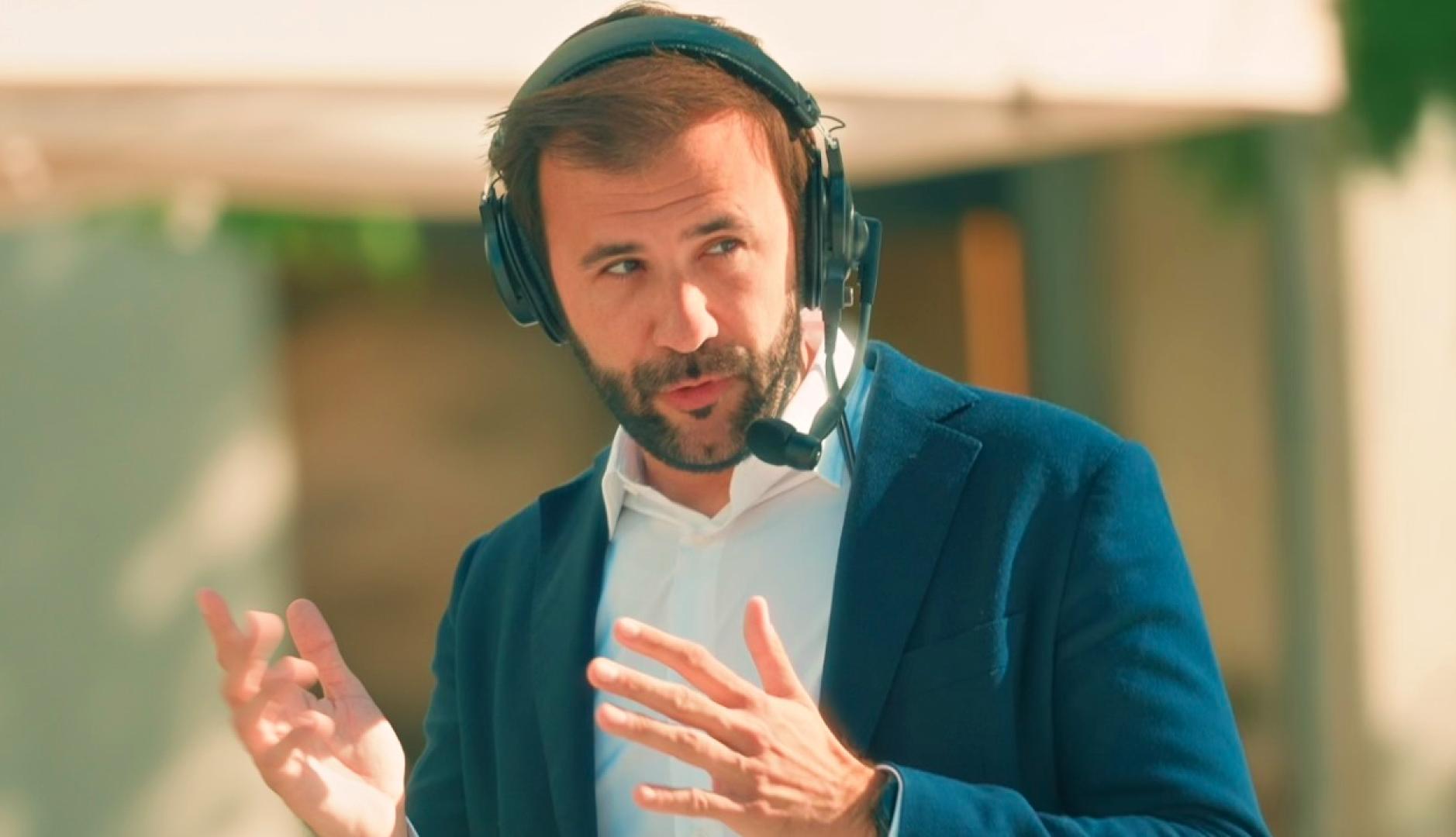
We met with Carlos García Trillo, Marketing and Digital Director at Gaes, to walk around Madrid and talk about strategy, team management and the decisions that have marked his professional career. During the conversation with Javier Guadiana in Light & LightsCarlos reflects on one of the issues that most affects the influence of marketing within organizations: to what extent their professionals really know how the business they work for works.
In an industry that demands a greater presence in Management Committees and a more relevant role in business decisions, Carlos raises a demand that begins with the marketing departments themselves. Understanding margins, distribution, business priorities or revenue generating mechanisms is essential to defend a strategy and obtain the necessary resources to execute it. And that means abandoning a way of working in which each area deals with its own indicators without sufficiently understanding those of the others.
Carlos identifies working in silos as one of the problems that limit the contribution of marketing to companies. During his time in mass consumption, he remembers that he accompanied the sales teams to meetings with distributors to understand first-hand the negotiations, customer priorities and the variables that conditioned their decisions.
Knowing what margin a distributor needs, how the rotation of a product behaves or how important its visibility is in the establishment allows us to understand the business from a perspective that is difficult to acquire by working only on campaigns and communication plans. “If you are too far from the business, bad”alert.
His reflection points to a common paradox in the sector, which is that while marketing claims its ability to drive growth and participate in major business decisions, there are still structures that keep brand strategy, commercial activity and financial management separate. This distance makes collaboration between departments difficult and can also weaken the arguments with which marketing defends its own proposals.
The issue takes on an especially concrete dimension when the time comes to request a quote. Carlos explains that, when faced with a brand or a business that is going through difficulties, it is not enough to defend an investment based on general expectations about what could be achieved. It is necessary to identify an opportunity, design a test that allows it to be evaluated, and establish indicators that justify subsequently expanding resources.
In this sense, its approach involves developing pilot projects, for example in a specific geographic area, and observing what happens with variables such as traffic, acquisition or conversion. From these results, a progressive investment proposal can be built, with clear objectives and criteria to decide if it can continue.
And it points out a relevant issue for the relationship between marketing and management: it is not enough to convince the CEO. You must also ensure that the CFO understands the opportunity, risks and conditions under which the investment is expected to be recovered. This way of approaching decisions places marketing in a conversation that goes beyond the execution of campaigns. Creativity, brand building and communication remain important, but defending their contribution requires relating them to the company’s economic priorities.
During the walk, Carlos also shares some experiences that illustrate the relationship between marketing and business. One of them is the relaunch of Bitter Kas during his time at PepsiCo, when the brand was accumulating years of decline. Its recovery was approached from different fronts, including packaging, distribution, hospitality and communication. The conversation also allows us to learn how his vision of marketing has changed after his time at companies such as Ferrero, Reckitt or MediaMarkt.