Changing apartments, neighborhoods or even cities has become a common reality for many young people, especially in large urban centers. And this constant mobility is also beginning to influence the design of furniture. Ikea has developed a new collection of 13 products designed specifically for young people who move frequently, with solutions that seek to facilitate the transportation, storage and adaptation of furniture to different homes.
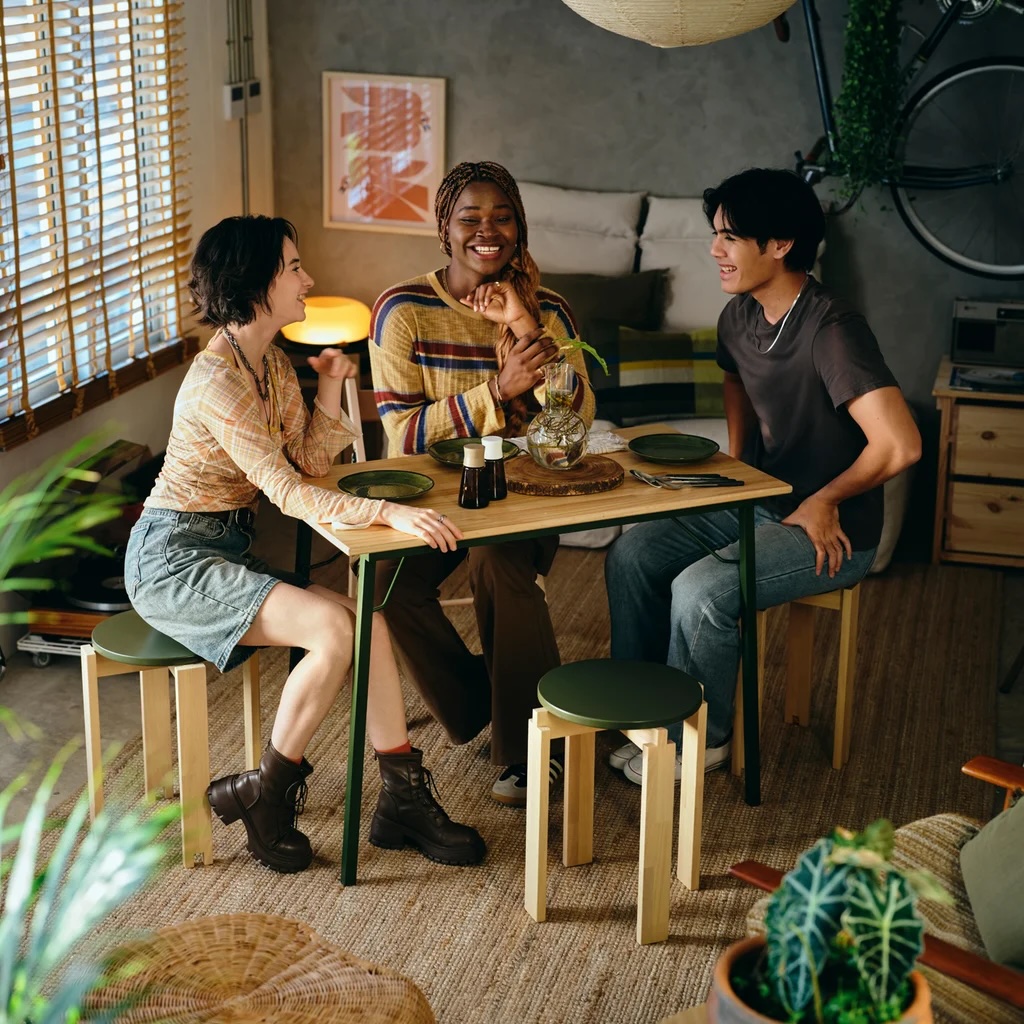
The proposal responds to a reality marked by residential temporality, economic difficulties and the need to adapt to changing spaces. In this context, the Swedish company has opted for light, foldable and multifunctional products, designed to accompany their owners during successive moves.
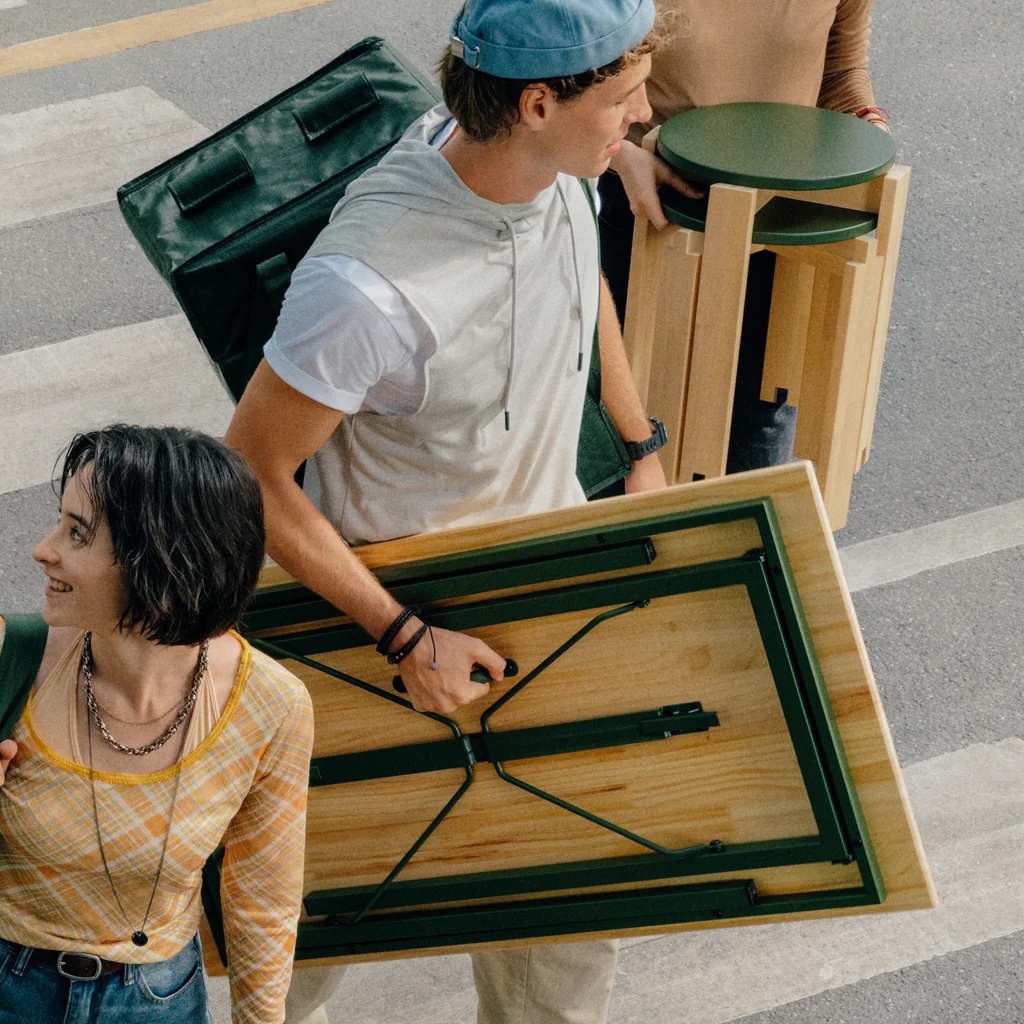
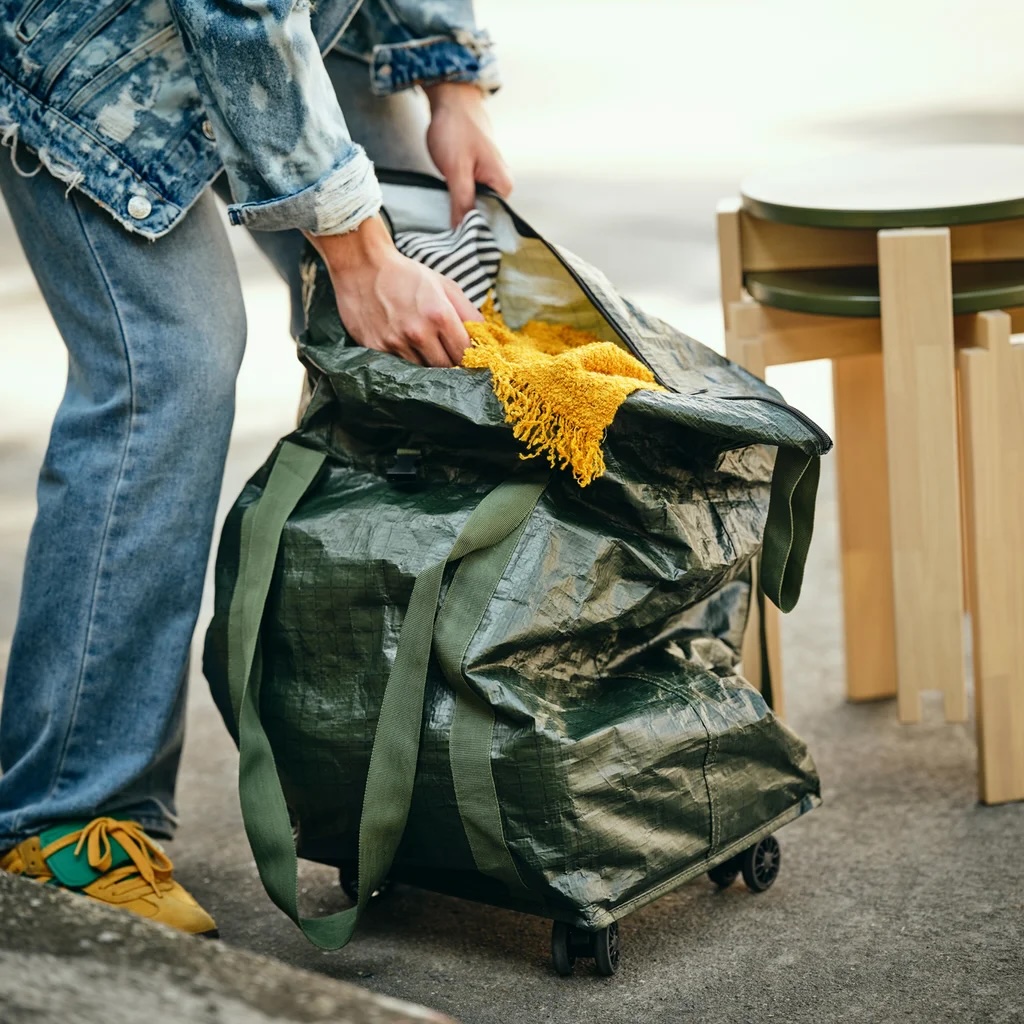
The collection includes everything from a mattress that can be rolled up and carried like a backpack to a side table that folds and whose structure functions as a handle. It also incorporates a reinterpretation of the characteristic blue Ikea bag, equipped with wheels to facilitate the transfer of objects.
The objective is that the furniture can change homes as many times as its owners, preventing each move from necessarily involving getting rid of part of the furniture.
Design furniture based on the reality of young people
The project began to take shape in 2024, when Ikea identified the need to offer more specific solutions for young people living in transitional residential situations. “When it comes to young people living in temporary situations, we felt there was more to do”explained Ina Tidbeck Sjöblom, Product Range Manager at Ikea of Sweden, in statements collected by Fast Company. “Ikea has products for them, but we didn’t feel like we were supporting this group of consumers enough.”



To better understand their needs, the company carried out research in London, where it visited the homes of young people aged between 20 and 28.
During the study, the designers observed how many had normalized frequent changes of address, both by personal choice and economic circumstances. Some transported their belongings in transport vehicles with drivers, while others even used borrowed scooters to move heavy objects to their next home.
These observations served to identify needs that conventional furniture does not always solve: the ease of disassembly, the volume that the objects occupy during transport and the possibility of using them in spaces of different dimensions. Thus, the collection transfers these learnings to products that combine several functions and reduce the difficulties associated with moving.
Two interns who were part of the same age group to which the collection is directed participated in the creative process. Both accompanied the team during the investigation and ended up designing some of the pieces. “They were, of course, part of the target audience”Sjöblom pointed out. “We really value having them because they are precisely the people we are targeting.”
Traditionally, much of the domestic furniture has been designed to remain in the same home for years. However, the residential mobility of certain population groups poses different needs, especially among those who share a flat, live in rent or change residence for work and economic reasons.
The proposal also connects with one of Ikea’s historical attributes: the design of products that optimize space and facilitate transportation. The difference is that, on this occasion, these features have been developed thinking about the daily use of people who will likely have to move their furniture repeatedly. The collection thus focuses on a specific consumer need and presents design as a tool to adapt to new living conditions, in a context in which residential stability is increasingly less accessible for many young people.
More info: KOMPISHÄNG