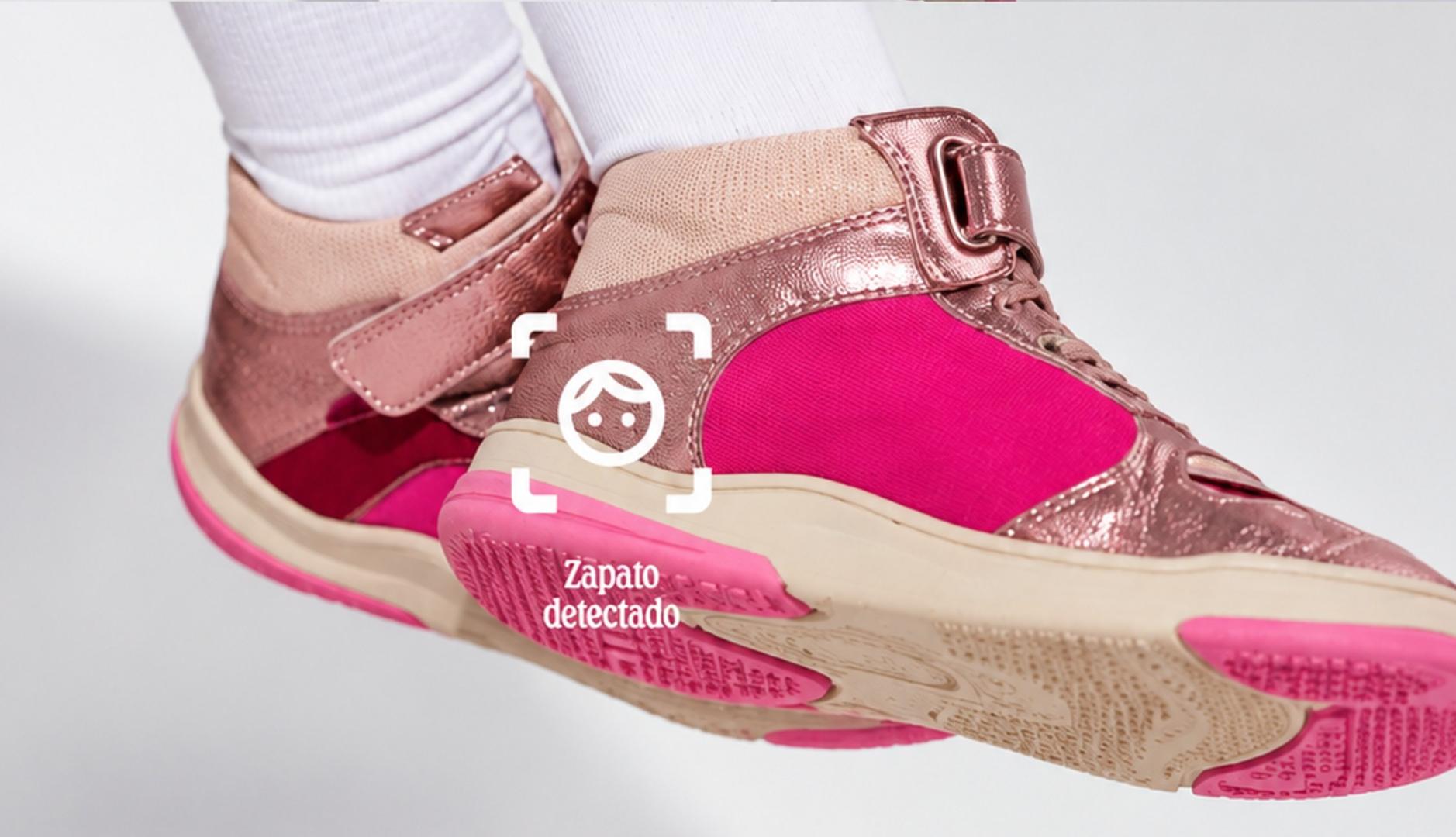
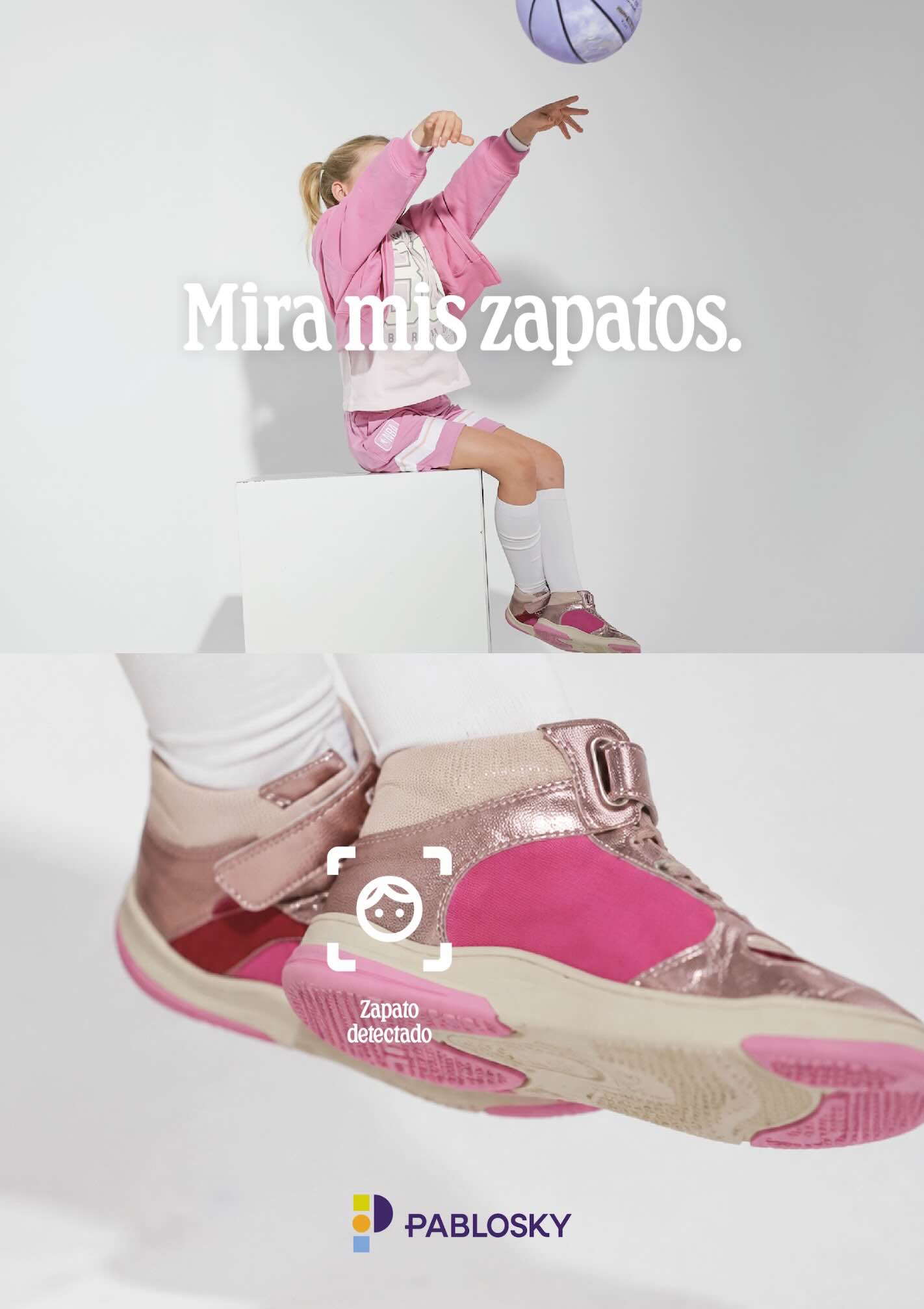
Pablosky, the Spanish children’s footwear brand with almost 60 years of history, has announced its commitment to not show the faces of minors in its commercial communication. The firm, founded in 1969 by Juan Pablo Martín-Caro and with its own headquarters and factory in Toledo, will continue to build advertising campaigns with boys and girls as protagonists, but without showing their faces.
The movement, as explained in a statement, involves the review of the basic audiovisual and narrative codes of advertising to connect with children and family audiences, and responds to the current challenges of communication, the digital environment and privacy. The change occurs as a result of the company’s reflection on social networks, artificial intelligence or new uses of images.
“It is a great creative challenge, but precisely for that reason it is also interesting”
“For many years, advertising has understood that faces are one of the main resources to connect emotionally. We have used them too. And now we are considering whether we can continue to thrill families without having to show the children’s faces.“; explained Eva Martín-Caro, General Director of Pablosky, in a statement. “I am not going to deny that it is a great creative challenge, but precisely for that reason it is also interesting”.
The brand has communicated this with a manifesto video, worked together with the marketing agency Cursiva and the creative agency Morbo. In it he explains his motivations, as well as the brand challenges posed by the decision, and also previews the new visual codes that will mark his communication.
It has also created a dedicated digital space that collects the entire reflective process of the brand and the keys to its new visual code.
In this sense, the brand has announced that it will not show the faces of minors, but they will continue to be part of its visual proposal. Thus, its communication will prevent the facial expression and identity of the minor from being the central resource of the image, but it will not give up movements, gestures or everyday scenarios of boys and girls. Consequently, your product, that is, shoes, will take on a new role in the campaigns. Therefore, the decision does not mean stopping talking about childhood, or working with boys and girls in the brand’s productions. What changes is the way of looking at and showing that childhood.
“Our purpose has always been to help families have one less worry. Today that concern is not only in the product, but also in how childhood is represented in a digital context that changes very quickly.“; expressed Eva Martín-Caro. “This commitment comes from exactly there: from asking ourselves what Pablosky can do, from its place as a children’s brand, to act with more responsibility”.
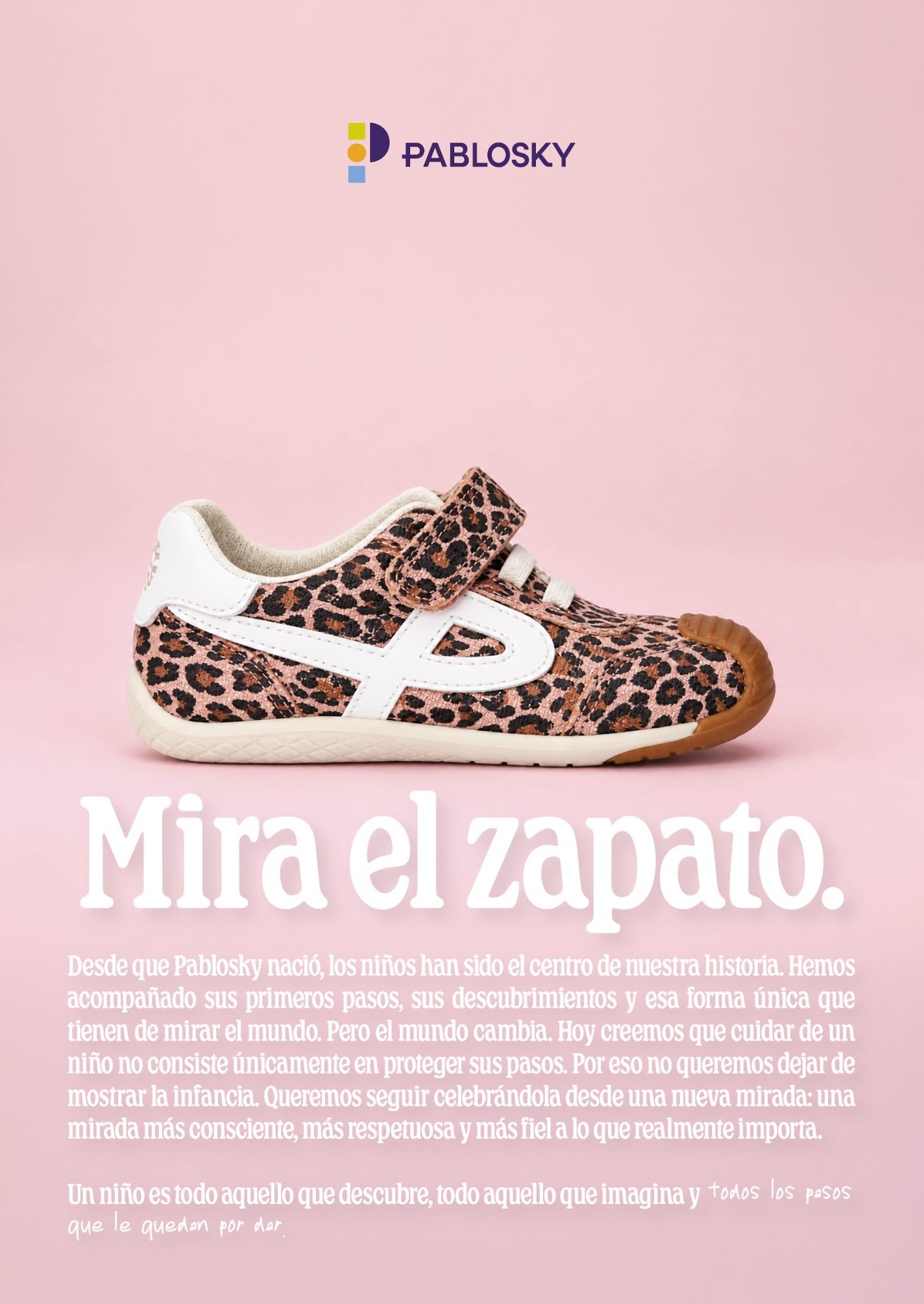
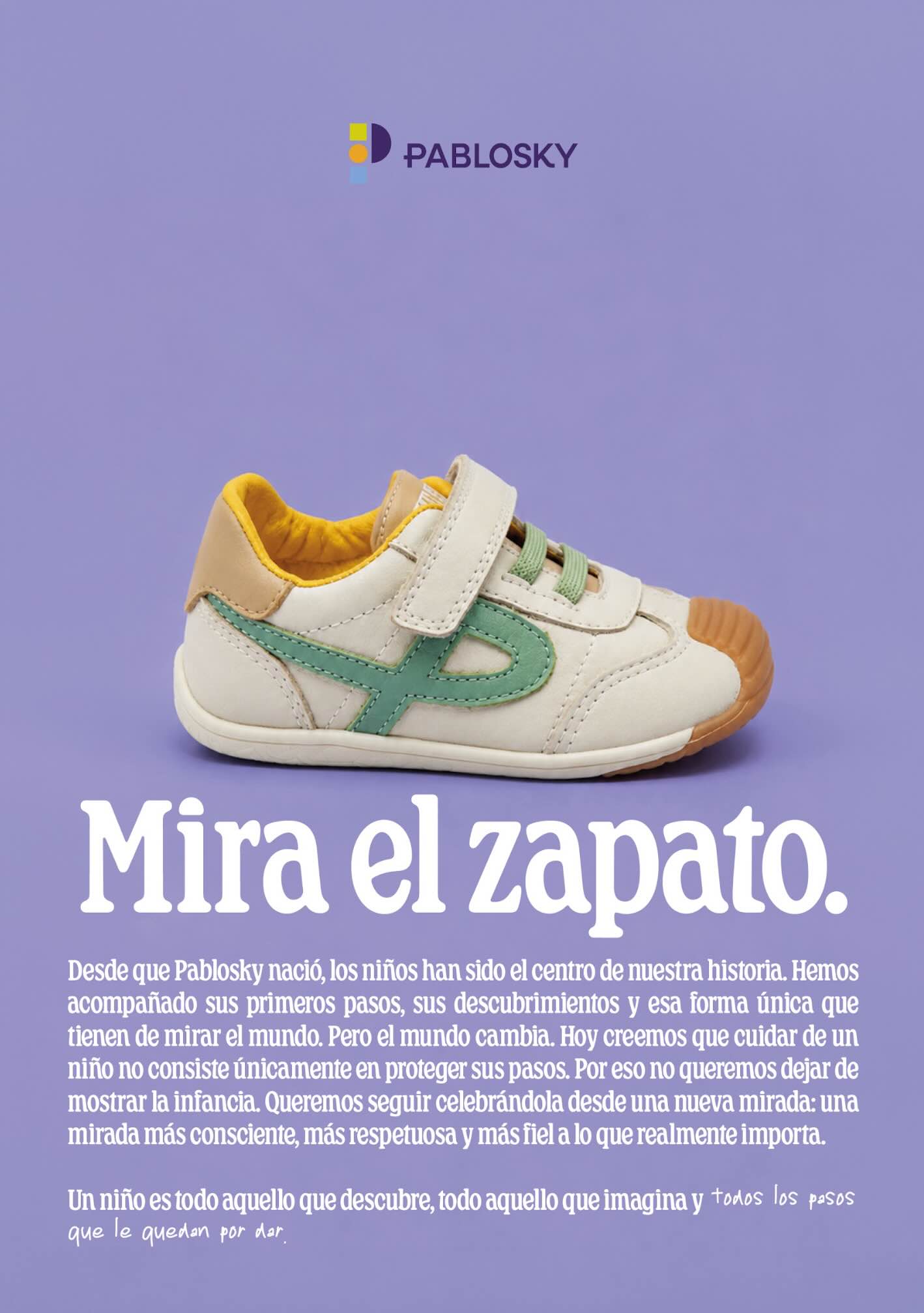
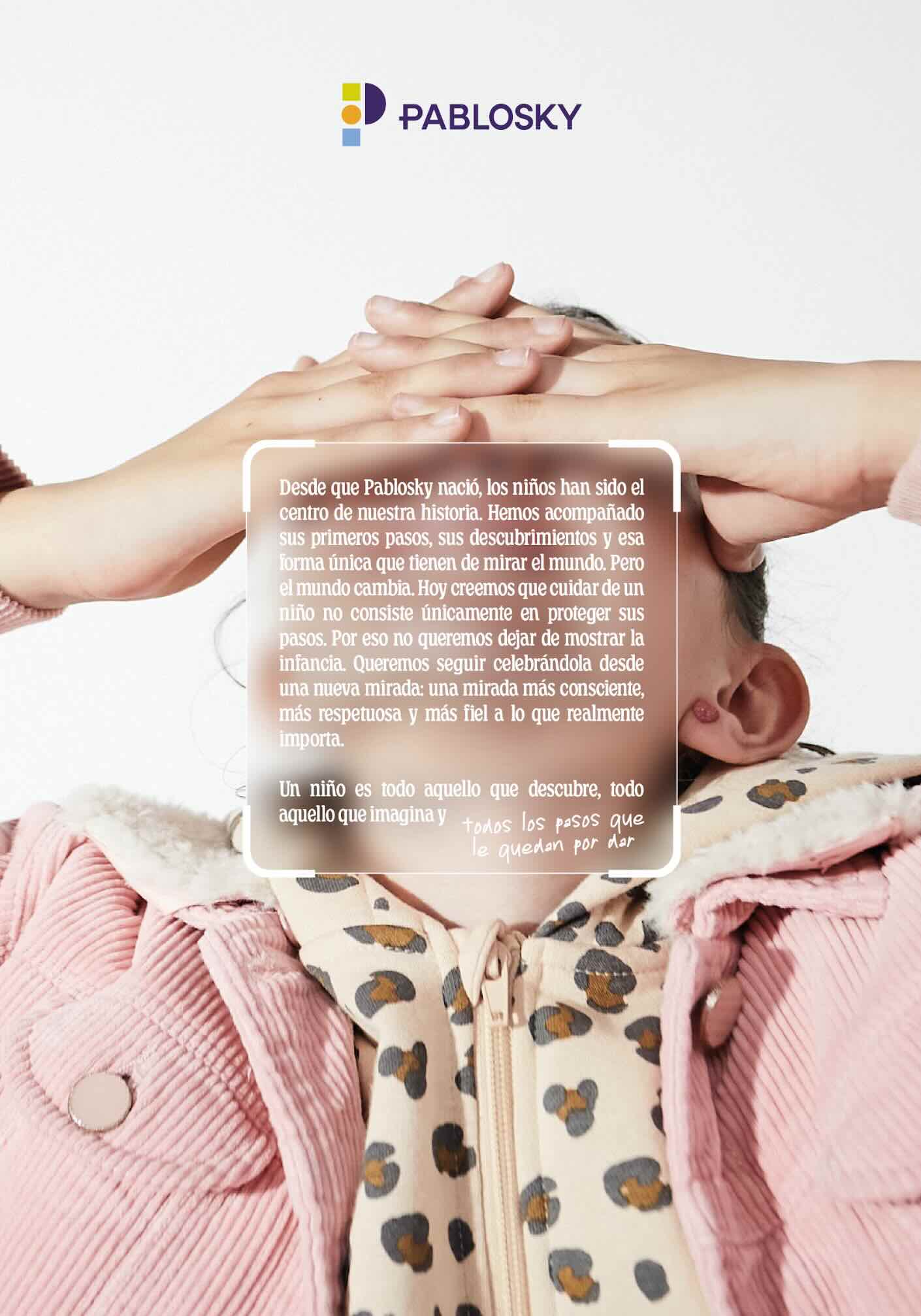
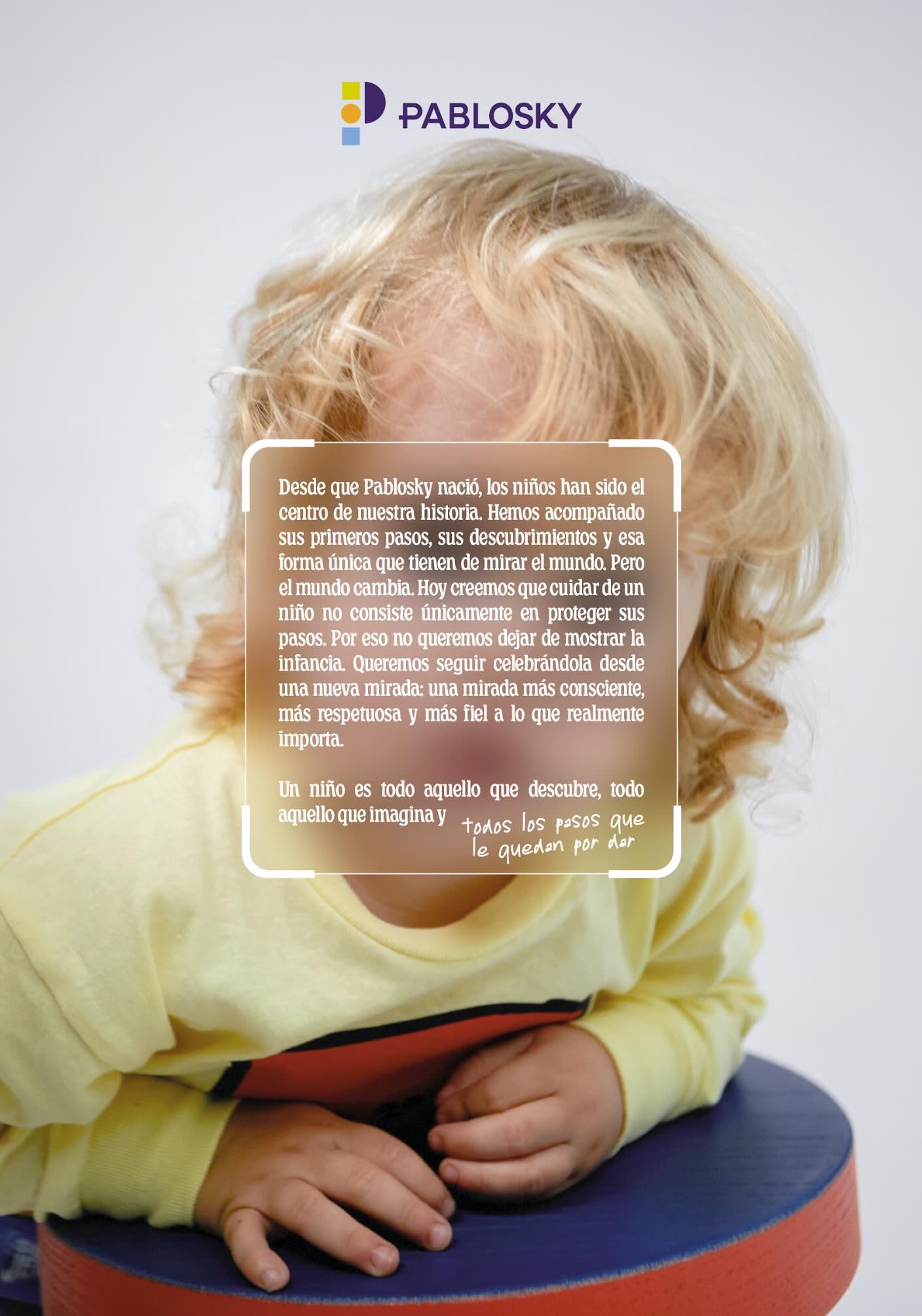
The decision is based on social conversation, but also on insights obtained from a study promoted by the brand itself among almost 1,130 fathers and mothers in Spain. Among other things, the research points to children’s privacy as a real concern for families: 87% say that artificial intelligence has changed their perception of risk; and 85% consider that adults are creating a digital identity for minors before they can decide about it.
Furthermore, 92% interpret that a children’s brand decides not to show identifiable faces as a measure of protection, responsibility or prudence.
In this sense, Pablosky considers that it is possible to build communication that represents childhood in a more conscious, respectful and aligned way with the concerns of society, and that at the same time is emotional, aspirational and relevant to the brand’s audience.
In its statement, the brand ensures its new communication standard as a living commitment that must be reviewed and strengthened as the digital context, social conversation and recommendations from experts in childhood, privacy, technology and digital education evolve. Likewise, it points out that it is working on its new stage with visual criteria, internal materials and recommendations to apply its new positioning consistently in its channels and new productions.
“We do not want to present this commitment as a lesson to anyone. We do not seek to single out families, brands or institutions. This is a decision about how Pablosky wants to act and communicate from now on.“; Eva Martín-Caro has pointed out. “We believe that a children’s brand must also ask itself questions about the impact of its images and the role it plays in the visual culture of childhood.”.